Choosing a new refrigerator is a significant investment for any household, one that impacts daily life for a decade or more. With technology constantly evolving, the 2026 market offers an exciting array of models, from energy-efficient workhorses to smart appliances with advanced food preservation features. This comprehensive guide, informed by expert reviews and industry insights, will help you navigate the latest trends, compare top picks, and make an informed decision to find the perfect refrigerator that fits your space, budget, and lifestyle.
Understanding Refrigerator Types: Pros and Cons
The style of your refrigerator is more than just an aesthetic choice; it dictates functionality, capacity, and how it integrates into your kitchen layout. Here’s a look at the most popular types available in 2026:
Top-Freezer Refrigerators
Table is empty.Top-freezer models are the quintessential, budget-friendly option, with the freezer compartment positioned above the main refrigeration section. These appliances are typically narrower, making them ideal for smaller kitchens or as a secondary unit, and are often among the most energy-efficient due to compressor placement. While they offer straightforward food storage, the lower placement of the fridge section can necessitate more bending.
Bottom-Freezer Refrigerators
Flipping the design, bottom-freezer refrigerators place the fresh food compartment at eye level, a convenience many users appreciate. The freezer, often a pull-out drawer, provides ample space, though organizing items in a chest-style freezer can sometimes be challenging. These models generally offer more features and a better design than top-freezers, striking a balance between value and convenience.
Side-by-Side Refrigerators
Side-by-side refrigerators feature two tall, vertical compartments—a freezer on the left and a refrigerator on the right. Their narrow doors are perfect for kitchens with limited aisle space, as they don’t swing out as far as full-width doors. Both sections run the full height of the unit, making frozen items more accessible. However, the narrow compartments can be restrictive for wide items like pizza boxes or large platters.
French Door Refrigerators
Currently the most popular style, French door refrigerators combine the benefits of side-by-sides (space-saving doors) and bottom-freezers (eye-level fresh food). They feature two half-doors on the top refrigerator section and a pull-out freezer drawer below. French door models are excellent for accommodating large trays and often come with the widest array of features, including advanced ice and water dispensers and adjustable shelving.
Multi-Door (4-Door/Quad-Door) Refrigerators
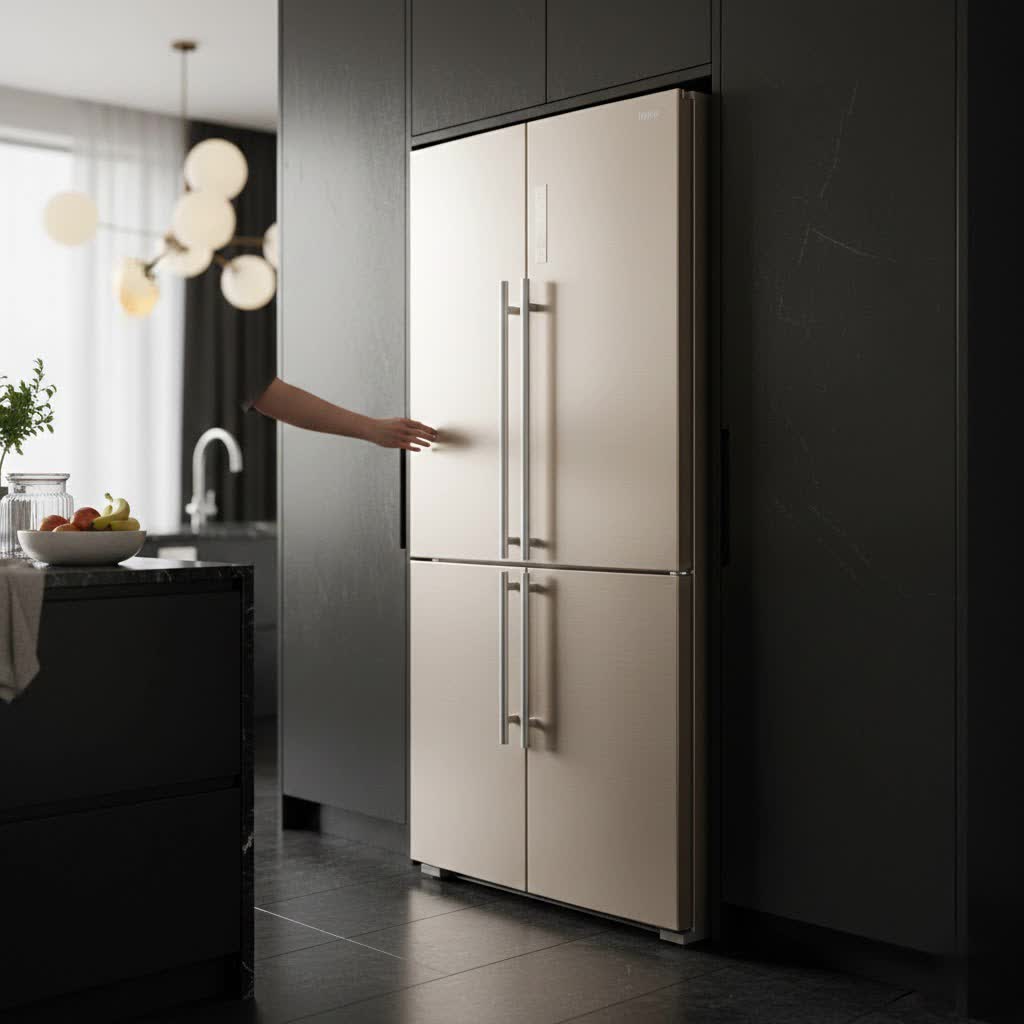
An evolution of the French door design, multi-door refrigerators feature two separate compartments below the main fridge, rather than a single freezer drawer. These often include a convertible flex zone that can switch between fridge and freezer temperatures as needed, offering enhanced organizational flexibility and specialized climate control. They typically carry a premium price but are favored by those who prioritize organization and tech-forward kitchens.
Compact & Counter-Depth Refrigerators
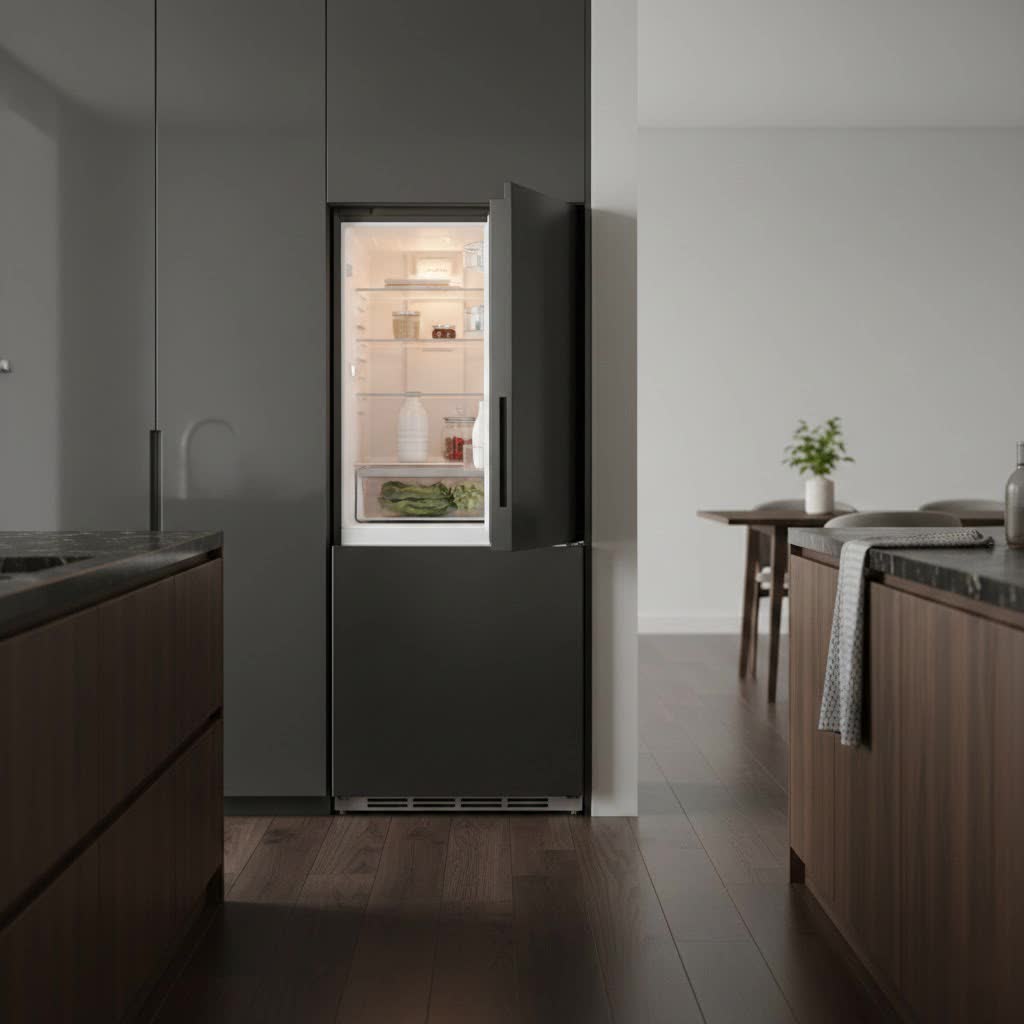
For a sleek, built-in appearance, counter-depth refrigerators sit flush with your cabinetry, providing a streamlined look. While aesthetically pleasing and space-saving, they often sacrifice interior capacity compared to standard-depth models. Compact refrigerators are even smaller, perfect for apartments, offices, or as supplementary refrigeration. These specialized designs can come at a higher price due to their unique dimensions.
Key Technologies and Innovations Shaping 2026 Refrigerators
The refrigerators of 2026 are more than just cooling boxes; they are integrated smart appliances designed to enhance food preservation, convenience, and energy efficiency.
Smart Features & Connectivity
Modern refrigerators are increasingly intelligent, offering features like AI Family Hub and AI Vision, which use internal cameras to detect and list up to 37 different items inside your fridge, simplifying grocery shopping by letting you know what you’re missing. Voice-controlled interfaces allow for hands-free operation, while smart inventory management systems provide alerts for low supplies or expiring items, helping to prevent food waste. Seamless home integration ensures your refrigerator is a cohesive part of your smart home ecosystem, offering remote control and monitoring capabilities.
Advanced Cooling & Preservation
Maintaining optimal freshness is a top priority. Many 2026 models boast customizable temperature-controlled zones, allowing you to fine-tune conditions for specific items like meats, produce, and beverages. Humidity-controlled drawers with adjustable airflow keep fruits and vegetables fresh longer. Advanced cooling systems, such as Bosch’s dual compressor cooling with separate evaporators, minimize odor transfer and stabilize temperatures. LG is introducing next-generation component technologies like the DualJet™ for reciprocating compressors, which optimizes refrigerant flow for improved efficiency and reduced energy consumption. Anti-microbial drawers are also emerging, designed to inhibit the growth of bacteria and mold for enhanced food safety.
Design & Customization
Beyond performance, aesthetics play a crucial role. Panel-ready finishes allow refrigerators to blend seamlessly with kitchen cabinetry for a custom, built-in look. Fingerprint-resistant surfaces address a common stainless steel drawback, making cleanup easier. Brands like Samsung’s Bespoke line offer customizable glass panels and colors, while KitchenAid provides interchangeable handles and knobs, allowing for personalized kitchen aesthetics. Bright, energy-efficient LED lighting throughout the interior also improves visibility.
Convenience Features
Manufacturers are continually adding features to streamline daily tasks. Internal water dispensers offer filtered water without disrupting the exterior aesthetic. Some models feature a “Measured Fill” option for precise water dispensing. Fast ice production, dual icemakers, and large-capacity ice storage ensure you always have enough ice. Modular design components enable effortless reconfiguration of shelves and compartments to adapt to changing storage needs. Transparent touchscreen doors are a revolutionary innovation, letting you view contents without opening the door, thus saving energy. Even integrated coffee makers are beginning to appear, transforming morning routines.
Energy Efficiency
With rising energy costs, efficiency remains a key consideration. New refrigerators, especially Energy Star-rated models, offer significant energy savings compared to older units. While top-freezers are traditionally the most efficient, side-by-side and bottom-freezer models have seen considerable improvements in energy efficiency over the past decade.
Top Refrigerator Brands: A 2026 Overview
Several brands consistently stand out for their innovation, reliability, and range of offerings.
- Bosch: Renowned for exceptional quality, reliability, and robust performance, especially its 800 series models which often feature advanced dual compressor systems.
- LG: Known for integrating cutting-edge technology, with reliable top-mount freezers and new compressor and motor technologies set to enhance efficiency and longevity in 2026.
- Samsung: A leader in smart home integration and customization with its Bespoke line, offering AI-powered features and customizable aesthetics.
- Hisense: Gaining traction for offering great value, consistent temperature control, and smart features at a competitive price point.
- GE/Hotpoint: Offers a range of reliable models across different price points, with Hotpoint being a budget-friendly option often manufactured by GE. GE Profile and Café models are known for premium features and performance.
- Whirlpool: A long-standing brand focusing on practical innovation, including specialized storage, rapid cooling, and advanced water/ice dispensers.
- Café: Offers a premium user experience with high-end features, flexible temperature zones, and sophisticated designs.
Best Refrigerators of 2026: Top Picks & Reviews
Based on expert testing and anticipated trends, here are some of the top refrigerator models and styles to consider for 2026:
- Hisense HRM260N6TSE Smart Refrigerator (Best Overall Value): This French-door model stands out for its steady temperatures, ample usable storage (11.91 cu-ft fridge, 4.39 cu-ft freezer), LED lighting, and through-the-door ice and water dispenser. It also features a flexible-temperature drawer (27°F to 41°F), making it an excellent choice for those seeking performance without breaking the bank.
- Bosch B36FD50SNS French-door Smart Refrigerator (Best French-door): Praised for nearly perfect and consistent temperatures in both fridge (12.71 cu-ft) and freezer (4.92 cu-ft) compartments. It offers generous storage, a sleek stainless steel finish, and a through-the-door ice and water dispenser, making it a reliable and high-performing option.
- Café CAE28DM5TS5 Smart Quad-Door Refrigerator (Best Quad-style): A premium choice for those who value aesthetics and advanced features. It boasts near-perfect temperature performance, an LED-lit back wall, and a flexible-temperature quadrant (-6°F to 43°F). Its internal auto-fill water pitcher and large ice maker (12.5 lbs capacity) enhance convenience.
- Hisense HRB171N6ASE Bottom-Freezer Refrigerator (Best Bottom-Freezer): This counter-depth model offers remarkable temperature consistency for its price range and notable energy efficiency. With 8.75 cu-ft fridge and 2.87 cu-ft freezer space, it’s a great value budget option, though it requires initial calibration.
- Samsung Bespoke RS28CB760012 Side-by-Side Refrigerator (Best Side-by-Side): This model excels in performance tests, providing substantial storage (11.6 cu-ft fridge, 6.3 cu-ft freezer) and a cleverly designed beverage center. It also offers the customizable aesthetics characteristic of the Bespoke line.
- Hotpoint HPS16BTNRWW 28-inch Top-Freezer Refrigerator (Best Top-Freezer): An excellent budget-friendly option that doesn’t compromise on temperature performance, maintaining stable fridge and freezer temperatures with less than a 2°F variation. It offers 9.68 cu-ft fridge and 3.98 cu-ft freezer space.
Comparison Table: Top Refrigerators for 2026
| Brand | Model | Type | Key Features | Capacity (Approx. Cu-Ft) | Estimated Price Range |
|---|---|---|---|---|---|
| Hisense | HRM260N6TSE | French Door | Steady temps, flexible-temp drawer, LED, through-the-door dispenser | 11.9 (Fridge), 4.4 (Freezer) | Mid-range |
| Bosch | B36FD50SNS | French Door | Consistent temps, ample storage, through-the-door dispenser | 12.7 (Fridge), 4.9 (Freezer) | Premium |
| Café | CAE28DM5TS5 | Quad-Door | Near-perfect temps, LED-lit back wall, flexible-temp quadrant | 10.7 (Fridge), 6.6 (Freezer) | Luxury |
| Hisense | HRB171N6ASE | Bottom-Freezer | Steady temps, energy-efficient, counter-depth | 8.8 (Fridge), 2.9 (Freezer) | Budget |
| Samsung | Bespoke RS28CB760012 | Side-by-Side | Consistent temps, beverage center, customizable panels | 11.6 (Fridge), 6.3 (Freezer) | Premium |
| Hotpoint | HPS16BTNRWW | Top-Freezer | Stable temps, great value, no-frills cooling | 9.7 (Fridge), 4.0 (Freezer) | Budget |
| LG | (Various models) | French Door/Top-Mount | DualJet™ compressor tech, ThinQ AI, craft ice makers | Varies | Mid-range to Premium |
| GE | (Various models) | French Door/Side-by-Side | Reliable performance, often feature flexible storage and smart tech | Varies | Mid-range |
| Whirlpool | (Various models) | French Door/Side-by-Side | Measured Fill dispenser, fast ice, 4-door configs, specialized storage | Varies | Mid-range |
Note: Prices are estimates and can vary based on retailer, promotions, and specific configurations. Capacity listed is measured usable space from source where available.
Buying Guide: Choosing the Perfect Refrigerator for Your Home
Selecting the ideal refrigerator involves carefully balancing several practical factors.
Assess Your Space & Kitchen Layout
Before anything else, accurately measure the space where your new refrigerator will reside, including width, height, and depth. Also, consider the pathways for delivery, ensuring the appliance can fit through doorways and hallways. Account for door swing clearances, as French door or side-by-side models require less space than single-door units.
Determine Your Capacity Needs (Family Size & Habits)
Refrigerator capacity, measured in cubic feet, should align with your household size and shopping habits. A general rule of thumb is 4 to 6 cubic feet per adult, meaning a family of four might need around 20 cubic feet. Consider if you buy in bulk, meal prep, or frequently host gatherings, as these activities might necessitate more space or specialized compartments. The internal layout, including adjustable shelves and door bins, significantly impacts usable space.
Set Your Budget
Refrigerator prices span a wide range, from basic top-freezer units under $1,000 to luxury built-in models exceeding $5,000.
- Budget ($500–$1,000): Typically basic top-freezers or small bottom-freezers with essential cooling.
- Mid-range ($1,000–$2,000): Offers larger bottom-freezers, side-by-sides, and entry-level French doors with better storage and some dispensers.
- Premium ($2,000–$4,000): Includes high-end French doors and four-door units with smart features, multiple climate zones, and upgraded finishes.
- Luxury ($5,000+): Custom-fitted built-ins, columns, and designer brands focused on aesthetics and advanced performance.
Remember to factor in ongoing energy costs, delivery, and installation fees.
Prioritize Essential Features & Technologies
Identify which features genuinely enhance your daily life. While smart connectivity, flexible temperature zones, and advanced preservation systems are appealing, each additional component can increase complexity and potential maintenance. Focus on core performance—consistent temperature control (around 37°F in the fridge and 0°F in the freezer) is paramount for food safety, regardless of other bells and whistles.
Consider Reliability & Serviceability
No one wants a refrigerator that breaks down prematurely. Brands like Bosch, LG, GE, and Whirlpool generally have strong reputations for reliability. Before purchasing, inquire about authorized repair technicians in your area and the typical timeframe for obtaining parts for specific brands. Many fridges come with a 1-year warranty, with some offering extended coverage on sealed refrigeration systems for up to 5 or even 10 years on compressors.
Aesthetics & Finish
The refrigerator is often the largest appliance in the kitchen, so its appearance matters. Stainless steel remains the most popular choice, with many modern versions featuring smudge-proof or fingerprint-resistant coatings. Other options include black stainless, classic white or black, and custom colors or panel-ready designs for a seamless, integrated look. Consider the handle style and the overall “feel” of the doors and drawers by testing models in person if possible.
Tips for Using and Maintaining Your Refrigerator for Longevity
Proper usage and regular maintenance are crucial for extending your refrigerator’s lifespan and ensuring optimal performance.
Regular Cleaning & Maintenance
- Wipe Down Surfaces: Clean interior shelves and drawers regularly to prevent spills from hardening and odors from developing.
- Clean Door Gaskets: Inspect and clean the door seals (gaskets) periodically. A clean, intact seal prevents cold air leaks, improving efficiency. You can test the seal by closing the door on a dollar bill; if it slides out easily, the seal may need replacing.
- Vacuum Condenser Coils: At least once or twice a year, unplug your fridge and gently clean the condenser coils, usually located at the back or bottom. Dust buildup can make the compressor work harder, increasing energy consumption and wear.
Efficient Food Organization
- Avoid Overstuffing: Keep your fridge reasonably full for thermal mass, but avoid overpacking, which obstructs airflow. Leave space around vents for proper cold air circulation.
- Zone Management: Utilize crisper drawers for produce, deli drawers for meats and cheeses, and dedicated door bins for condiments and beverages. Arrange food to ensure older items are visible and used first.
- Use Proper Containers: Store food in airtight containers to prevent moisture loss and odor transfer.
Optimal Temperature Settings
Set your refrigerator to around 37°F (3°C) and your freezer to 0°F (-18°C). Colder settings consume more energy without necessarily improving food preservation significantly. Use a refrigerator thermometer to verify actual temperatures, as dial settings aren’t always precise.
Troubleshooting Common Issues
- Not Cooling: Check if the power cord is securely plugged in, the temperature settings are correct, and vents are not blocked. Ensure the condenser coils are clean.
- Excessive Noise: This could indicate a fan obstruction or a failing compressor. Check for items touching the fan or contact service if the noise is unusual or persistent.
- Water Leaks: Inspect the drain pan, defrosted drain tube, and water lines (if you have an ice/water dispenser) for clogs or damage.
“A well-maintained refrigerator not only ensures your food stays fresh and safe but also operates more efficiently, saving you money on energy bills and extending its overall lifespan.”
Conclusion
The 2026 refrigerator market offers an impressive blend of innovation, style, and efficiency, making it easier than ever to find an appliance that perfectly complements your home and lifestyle. From the steady temperatures of Hisense and Bosch to the customizable elegance of Samsung Bespoke and the evolving smart capabilities of LG, there’s a model designed to meet diverse needs. By understanding the different types, prioritizing essential features, considering reliability, and committing to proper maintenance, you can ensure your investment in a new refrigerator provides fresh food, convenience, and peace of mind for years to come.
What advanced refrigerator feature are you most excited to integrate into your kitchen in 2026?
Frequently Asked Questions
What is the average lifespan of a modern refrigerator?
The average lifespan of a modern refrigerator is typically 10 to 14 years, with standard models lasting around 12 years. Factors like type, usage, and maintenance can influence this, with side-by-side models averaging slightly less and compact fridges around 8 years.
How much energy does a new refrigerator save compared to an old one?
Upgrading to a new, energy-efficient refrigerator can lead to significant energy savings, especially if replacing a unit 10 years or older. For example, new side-by-side refrigerators can cut energy costs by approximately $340 over 10 years, while bottom-freezers can save around $272. Top-freezers, already efficient, might save about $83.
Are smart refrigerators truly worth the investment?
The value of a smart refrigerator depends on your personal use. Features like internal cameras for inventory management, remote temperature control, and integration with smart home ecosystems can offer convenience and help reduce food waste. However, these advanced features often come at a higher cost, and some consumers may not utilize them to their full potential.
What does “counter-depth” mean for a refrigerator?
A counter-depth refrigerator is designed with a shallower body (typically 24 to 27 inches deep) to sit flush with your kitchen cabinetry, creating a seamless, built-in look. While aesthetically pleasing, this design often results in less interior storage capacity compared to standard-depth models of similar width.
How often should I clean my refrigerator and its coils?
It’s recommended to wipe down the interior surfaces of your refrigerator regularly and clean the door gaskets every few months. The condenser coils, usually located at the back or bottom, should be cleaned at least once or twice a year to prevent dust buildup, which can reduce efficiency and put strain on the compressor.