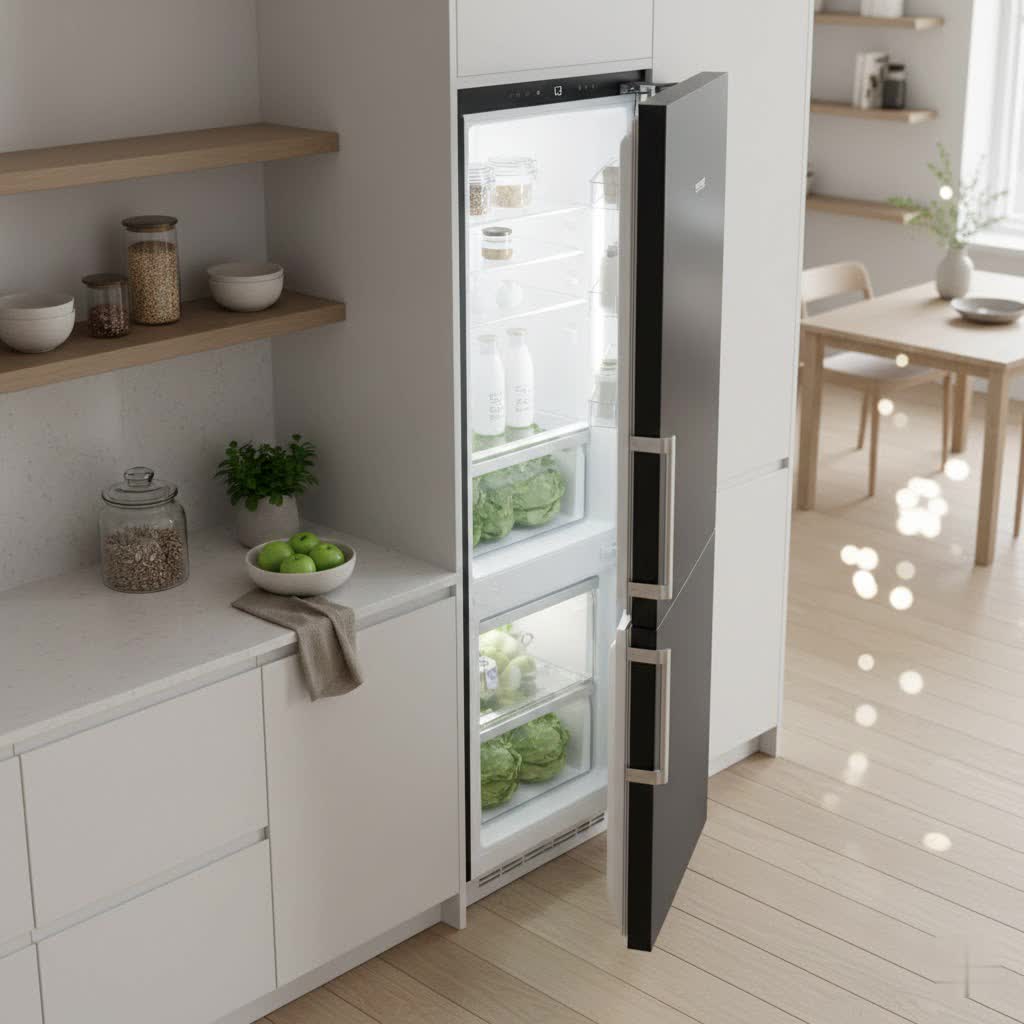
Ever found yourself peering into a darkened refrigerator, struggling to find that last yogurt or forgotten carton of eggs? A working refrigerator light isn’t just a convenience; it’s essential for quickly locating items, reducing food waste, and maintaining an organized fridge. When your fridge goes dark, it can feel like a major appliance issue, but more often than not, a simple light bulb replacement is all that’s needed to restore illumination. This comprehensive guide will walk you through everything you need to know, from identifying the right bulb to safely installing it, ensuring your refrigerator shines bright once more.
Why Your Refrigerator Light Matters
Beyond the obvious convenience, a well-lit refrigerator enhances food visibility, helping you keep track of what you have and what you need. This can significantly reduce the amount of time the door stays open, contributing to better energy efficiency and prolonging the freshness of your groceries. A functioning light also allows for easier cleaning and maintenance, making it simpler to spot spills or crumbs.
Understanding Refrigerator Light Bulbs
Before you attempt any replacement, it’s crucial to understand the specific type of light bulb your refrigerator requires. Appliance bulbs are distinct from standard household bulbs, designed to withstand the unique environment inside a fridge, including cold temperatures, moisture, and vibrations. Using a regular bulb can lead to premature failure or even damage to the socket.
Types of Refrigerator Light Bulbs
- Incandescent Bulbs: These are the traditional option, often less expensive and providing a warm, amber glow. However, incandescent bulbs are less energy-efficient and tend to burn out more quickly than their modern counterparts.
- LED Bulbs: Increasingly common in newer refrigerator models, LED (Light Emitting Diode) bulbs are a superior choice. They are highly energy-efficient, offer brighter illumination, and boast a significantly longer lifespan, often lasting several years. LEDs also perform exceptionally well in colder environments.
|
Our Picks for the Best Refrigerator in 2026
As an Amazon Associate I earn from qualifying purchases.
|
||
| Num | Product | Action |
|---|---|---|
| 1 | GE Profile 28.7 cu. ft. 4-Door French Door Refrigerator in Stainless Steel with Dual-Dispense Autofill Pitcher PGE29BYTFS |

|
| 2 | Frigidaire, 2 Door Apartment Size Refrigerator with Freezer, 7.5 cu ft, Adjustable Spill-Proof Shelves, Crisper Bins, Platinum Silver, Garage Ready |
|
| 3 | Electactic Mini Fridge 130 Can Beverage Refrigerator Cooler, 3.2 Cu.Ft Drink Fridge for Soda Wine Beer, Adjustable Temperature Control for Home Office, Black |
|
| 4 | ARCTIC CHEF Mini Refrigerator, Compact Freezer Compartment, Adjustable Thermostat Control, Reversible Door, Ideal Fridge for Dorm, Office, Apartment, Platinum Stainless, 3.2 Cubic Feet |
|
| 5 | Frigidaire EFR786 Retro Apartment Size Refrigerator with Top Freezer - 2 Door Fridge with 7.5 Cu Ft of Storage Capacity, Adjustable Spill-Proof Shelves, Door & Crisper Bins, Black |
|
| 6 | GE GTS18HGNRWW 28 Inch Top Freezer Refrigerator with 17.5 Cu. Ft. Capacity, Reversible Hinges, Gallon Door Shelves, Adjustable Glass Shelves, Frost Free |
|
| 7 | Frigidaire, 2 Door Apartment Size Refrigerator/Freezer Combo, 7.5 cu ft, Platinum Series, Stainless, 23" D x 21.5" W x 55.5" H |
|
| 8 | NEWBULIG Mini Fridge with Freezer 3.2 Cu.Ft Small Refrigerator for Office, Dorm, Small Fridge with Adjustable Thermostat, Energy Saving, Singel Door, Black |
|
| 9 | Whirlpool WRS321SDHZ 21 Cu. Ft. Stainless Side-by-Side Refrigerator |
|
| 10 | Samsung 17.5 cu. ft. Smart Counter Depth 3-Door French Door Refrigerator, Stainless Steel, RF18A5101SR/AA |
|
Key Specifications
When selecting a replacement bulb, consult your refrigerator’s owner’s manual or examine the old bulb for specifications such as wattage, base type, and shape.
- Wattage: Most refrigerator bulbs typically range between 15 and 40 watts, though some can go up to 60 watts. Always match the wattage to prevent electrical issues.
- Base Type: The most common is the E26 medium-screw base, but smaller refrigerators might use an E17 intermediate screw base or even an E12 candelabra screw base.
- Bulb Shape: Many refrigerators use an A15 appliance bulb, which is typically smaller than a standard household A19 bulb, or a T8 tubular shape.
> “Never use a regular household light bulb in your refrigerator. Appliance-rated bulbs are specifically engineered to endure the unique cold and humid conditions, preventing issues like overheating or premature burnout.” – John Smith, Appliance Repair Technician
Essential Tools and Safety Precautions
Safety should always be your top priority when performing any appliance repair. Gather your tools and ensure a safe working environment before you begin.
Tools You’ll Need:
- Replacement Refrigerator Light Bulb: Ensure it matches the specifications of your old bulb.
- Flathead Screwdriver: Useful if the bulb cover is secured with screws or needs gentle prying.
- Dry Cloth or Rubber Jar Opener: Can provide a better grip if the old bulb is tight or slippery.
- Flashlight (Optional): Can offer additional illumination inside the dark fridge.
- Step Stool or Ladder (If Needed): For reaching bulbs located high up.
Safety Precautions:
- Disconnect Power: The most critical step is to unplug your refrigerator from the wall outlet or switch off the power at your home’s circuit breaker. This prevents electrical shock and potential damage to your appliance.
- Allow Cooling: If the light was recently on, give the old bulb a few minutes to cool down before touching it to avoid burns.
- Handle with Care: Always handle bulbs gently to prevent breakage, especially glass incandescent bulbs.
Step-by-Step Guide to Replacing Your Refrigerator Light Bulb
Replacing your refrigerator light bulb is a straightforward process that most homeowners can accomplish in a few minutes.
1. Disconnect Power for Safety
Begin by completely disconnecting power to your refrigerator. This can be done by pulling the appliance away from the wall and unplugging its power cord. If the plug is hard to reach or inaccessible, locate your home’s electrical panel and switch off the circuit breaker that supplies power to the refrigerator. Double-check that the power is off before proceeding.
2. Locate the Bulb and Its Cover
Open your refrigerator door and locate the light bulb. It’s usually positioned at the top or on a side wall, often protected by a plastic or glass cover. If you can’t easily find it, consult your refrigerator’s owner’s manual for its exact location and instructions specific to your model.
3. Carefully Remove the Light Cover
The light cover protects the bulb and socket. Depending on your refrigerator model, this cover may:
- Snap-off: Gently apply pressure to the edges or use your fingertips to unclip it.
- Screw-on: Use a flathead screwdriver to remove any visible screws holding the cover in place.
- Slide-off: Some covers slide out of grooves.
Place the removed cover in a safe spot to prevent damage.
4. Unscrew the Old Light Bulb
Once the cover is off, you’ll have access to the bulb. Twist the old bulb counterclockwise (lefty loosey) to unscrew it from the socket. If the bulb is tight or slippery, a dry cloth or a rubber jar opener can provide a better grip. Be gentle and avoid twisting too hard, as this could break the bulb. Dispose of the old bulb properly.
5. Install the New Appliance-Rated Bulb
Take your new, appliance-rated light bulb and carefully align it with the socket. Twist it clockwise (righty tighty) until it is securely fastened. Do not overtighten; the bulb only needs to be snug to make proper contact. Ensure you are using the correct wattage and type of bulb as identified earlier.
6. Reattach the Light Cover
Once the new bulb is installed, carefully replace the light cover. Make sure it snaps or screws back into its original position, providing protection for the bulb and a finished look to the refrigerator’s interior. Ensure it’s properly seated to prevent future issues.
7. Restore Power and Test
With the new bulb in place and the cover reattached, you can now restore power. Plug the refrigerator back into the wall outlet or flip the circuit breaker back on. Open the refrigerator door to verify that the new light bulb illuminates correctly. If it lights up, congratulations – you’ve successfully replaced your refrigerator light bulb!
Troubleshooting Common Issues
If your new bulb isn’t working after installation, don’t panic. Here are a few troubleshooting tips:
- Double-Check Connection: Unplug the refrigerator again and ensure the new bulb is screwed in tightly and correctly seated in the socket. Sometimes, a slightly loose connection can prevent it from lighting up.
- Inspect the Socket: Carefully examine the light socket for any visible damage or corrosion that might be preventing electrical contact.
- Consider Other Issues: If the new bulb is correctly installed and still doesn’t work, the problem might not be the bulb itself. Issues could include a faulty light socket, a broken door switch, or an electrical wiring problem. In such cases, it’s advisable to consult a qualified appliance technician.
Maintaining Your Refrigerator’s Lighting
While modern LED bulbs boast long lifespans, a few practices can help ensure your refrigerator’s lighting remains optimal:
- Keep the Bulb Cover Clean: A dirty or dusty cover can dim the light inside your fridge. Periodically wipe it clean with a damp cloth.
- Avoid Slamming the Door: Frequent jarring can shorten the life of incandescent bulbs due to filament shock. While LEDs are more durable, gentle handling is always beneficial for your appliance.
- Regularly Check the Door Seal: A proper door seal ensures the refrigerator maintains its internal temperature and prevents excessive moisture, which can impact electrical components over time.
Conclusion
Replacing a refrigerator light bulb is a simple and rewarding DIY task that can significantly improve your kitchen experience. By following these clear steps and prioritizing safety, you can easily restore illumination to your appliance, making your food items easier to find and your refrigerator more efficient. Remember to always use the correct appliance-rated bulb and disconnect power before you start. If you encounter persistent issues, don’t hesitate to seek professional assistance.
What other small appliance fixes have brightened your day?
Frequently Asked Questions
What kind of bulb do I need for my refrigerator?
You need an appliance-rated light bulb that matches the wattage, base type (e.g., E26, E17), and shape (e.g., A15) of your original bulb. Many newer fridges use energy-efficient LED bulbs, while older models might use incandescent types. Always check your owner’s manual or the old bulb’s specifications.
How often should I change my refrigerator light bulb?
The lifespan of a refrigerator light bulb varies. Incandescent bulbs might last a couple of years, whereas LED bulbs can last for many years, sometimes even the lifetime of the appliance itself. Frequent door openings, vibrations, and moisture can affect bulb longevity.
Can I use a regular household light bulb in my refrigerator?
No, you should never use a regular household light bulb in your refrigerator. Refrigerator bulbs are specially designed to withstand the cold, humid environment and vibrations inside the appliance. A standard bulb can overheat, burn out quickly, or even damage the light socket due to these conditions.
What if my new refrigerator light bulb still isn’t working?
If your new bulb doesn’t light up, first ensure the refrigerator is unplugged and that the bulb is screwed in tightly and correctly. If it still fails, the issue might be with the light socket, the door switch, or the electrical wiring of the refrigerator. In such cases, professional repair might be necessary.