Wrestling with a frosty freezer can be a chilling experience. Beyond making it difficult to find your frozen goods, excessive ice buildup can drastically reduce your appliance’s efficiency, skyrocket energy bills, and even shorten its lifespan. If you’ve ever opened your freezer to a mini ice age, you know the frustration. Fortunately, with the right knowledge and habits, you can conquer the cold and keep your freezer running smoothly and frost-free.
This guide will dive into the common culprits behind freezer frost and equip you with practical, actionable strategies to prevent ice from accumulating, ensuring your food stays perfectly preserved and your appliance operates at peak performance.
Understanding Freezer Frost: Why It Happens
Freezer frost isn’t just a nuisance; it’s a clear sign that warm, moist air is making its way into your freezer, where it quickly condenses and freezes upon contact with cold evaporator coils and surfaces. Several factors contribute to this unwelcome phenomenon:
- Warm Air and Moisture Entry: This is the primary cause. Every time you open your freezer door, warm, humid air from your kitchen rushes in. When this moisture-laden air hits the cold surfaces inside, it instantly freezes, forming frost.
- Compromised Door Seals (Gaskets): Your freezer’s rubber seals, or gaskets, are the first line of defense against warm air. If they are worn, cracked, or simply not sealing properly, they create gaps through which warm air can continuously seep in.
- Frequent or Prolonged Door Openings: While opening the door is unavoidable, doing so too often or leaving it open for extended periods allows a significant amount of warm air to enter, accelerating frost formation.
- Improper Food Storage: Storing hot foods directly in the freezer releases steam and moisture, which then freezes. Uncovered foods or those in poorly sealed containers also release moisture into the freezer environment.
- Temperature Fluctuations: If your freezer’s thermostat is set too high (not cold enough) or experiences frequent temperature swings, it can create conditions conducive to frost. The ideal freezer temperature is 0°F (-18°C).
- Overloading or Under-filling: An overpacked freezer can obstruct airflow, leading to uneven cooling and potential frost spots. Conversely, an under-filled freezer has more air space to warm up when the door is opened, requiring more energy to re-cool and increasing frost risk.
- Appliance Malfunctions: In some cases, issues like a faulty defrost timer, heater, or thermostat in “frost-free” models can lead to excessive ice buildup. These are typically internal component failures that may require professional service.
Proactive Steps: How to Prevent Frost Buildup
Preventing frost buildup is largely about managing moisture and maintaining a consistent, airtight cold environment. Here’s how you can take control:
Mastering Your Freezer’s Temperature
Setting and maintaining the correct temperature is fundamental to frost prevention and food safety.
- Ideal Setting: Aim for 0°F (-18°C). This temperature is cold enough to safely preserve food without overworking your appliance or creating conditions ripe for frost.
- Verify with an External Thermometer: Built-in thermostats can sometimes be inaccurate. Use an inexpensive external freezer thermometer to verify the actual temperature inside. If there’s a discrepancy, adjust your freezer’s internal setting accordingly.
|
Our Picks for the Best Refrigerator in 2026
As an Amazon Associate I earn from qualifying purchases.
|
||
| Num | Product | Action |
|---|---|---|
| 1 | Samsung 17.5 cu. ft. Smart Counter Depth 3-Door French Door Refrigerator, Stainless Steel, RF18A5101SR/AA |

|
| 2 | ARCTIC CHEF Mini Refrigerator, Compact Freezer Compartment, Adjustable Thermostat Control, Reversible Door, Ideal Fridge for Dorm, Office, Apartment, Platinum Stainless, 3.2 Cubic Feet |
|
| 3 | GE GTS18HGNRWW 28 Inch Top Freezer Refrigerator with 17.5 Cu. Ft. Capacity, Reversible Hinges, Gallon Door Shelves, Adjustable Glass Shelves, Frost Free |
|
| 4 | Frigidaire, 2 Door Apartment Size Refrigerator/Freezer Combo, 7.5 cu ft, Platinum Series, Stainless, 23" D x 21.5" W x 55.5" H |
|
| 5 | GE Profile 28.7 cu. ft. 4-Door French Door Refrigerator in Stainless Steel with Dual-Dispense Autofill Pitcher PGE29BYTFS |
|
| 6 | NEWBULIG Mini Fridge with Freezer 3.2 Cu.Ft Small Refrigerator for Office, Dorm, Small Fridge with Adjustable Thermostat, Energy Saving, Singel Door, Black |
|
| 7 | Whirlpool WRS321SDHZ 21 Cu. Ft. Stainless Side-by-Side Refrigerator |
|
| 8 | Electactic Mini Fridge 130 Can Beverage Refrigerator Cooler, 3.2 Cu.Ft Drink Fridge for Soda Wine Beer, Adjustable Temperature Control for Home Office, Black |
|
| 9 | Frigidaire EFR786 Retro Apartment Size Refrigerator with Top Freezer - 2 Door Fridge with 7.5 Cu Ft of Storage Capacity, Adjustable Spill-Proof Shelves, Door & Crisper Bins, Black |
|
| 10 | Frigidaire, 2 Door Apartment Size Refrigerator with Freezer, 7.5 cu ft, Adjustable Spill-Proof Shelves, Crisper Bins, Platinum Silver, Garage Ready |
|
Sealing the Deal: Gasket Maintenance
Your freezer door’s rubber gaskets are critical. A faulty seal is one of the most common reasons for frost.
- Regular Inspection and Cleaning: Periodically check your gaskets for any signs of wear, cracks, or stiffness. Clean them regularly with warm, soapy water to remove food debris and stickiness that can prevent a tight seal. Avoid abrasive cleaners that could damage the rubber.
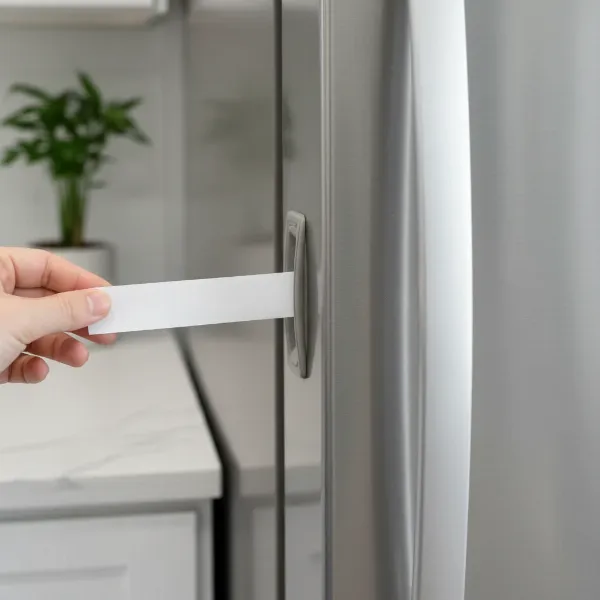
- The Dollar Bill Test: To check for leaks, place a dollar bill (or a piece of paper) halfway in the freezer door and close it. If you can easily pull the bill out, your seal is compromised in that spot. Repeat this around the entire perimeter of the door.
- When to Replace: If gaskets are torn, brittle, or consistently fail the dollar bill test, it’s time for a replacement. A professional technician can assist with this, though many can be replaced DIY.
Smart Food Storage & Organization
How you store food plays a significant role in minimizing moisture introduction.
- Cool Hot Foods Completely: Never place hot or warm food directly into the freezer. Allow it to cool down to room temperature first. The steam from hot food introduces a massive amount of moisture, which will instantly turn to frost.
- Airtight Containers and Packaging: Use freezer-safe, airtight containers or heavy-duty freezer bags. These create a barrier against moisture and air, preventing freezer burn and reducing humidity within the freezer compartment.
- Remove Excess Air: When using freezer bags, press out as much air as possible before sealing. This minimizes air exposure to the food and reduces moisture buildup.
- Wipe Food Dry: If food packaging has any condensation or moisture on it, wipe it dry before placing it in the freezer.
- Optimal Loading: While a full freezer runs more efficiently (the frozen items help retain cold), avoid overpacking. Leave space between items for cold air to circulate freely. Aim for about two-thirds to three-quarters full. “An organized freezer with good air circulation is vital to keeping frost at bay,” advises American Home Shield.
Mindful Usage Habits
Small changes in how you use your freezer can make a big difference.
- Minimize Door Openings: Plan what you need before opening the freezer door to retrieve multiple items at once. This limits the duration and frequency of warm air entry.
- Plan Ahead: Before a big cooking session or grocery run, take a moment to consider what needs to go into or come out of the freezer. This reduces idle door-open time.
Regular Cleaning and Maintenance
Consistent upkeep is key to long-term frost prevention.
- Internal Cleaning: Regularly clean the inside of your freezer. Spills or food particles can quickly freeze and contribute to buildup. A mixture of warm water and baking soda can also help eliminate odors.
- Condenser Coils: If your freezer has exposed condenser coils (often found at the back or underneath), clean them every few months. Dirty coils force the freezer to work harder, which can indirectly lead to frost issues and reduced efficiency.
- Defrosting Manual Freezers: For older models that aren’t “frost-free,” diligent manual defrosting is essential. Defrost when frost layers reach about a quarter to half an inch (0.5 cm) thick. Waiting longer makes the process harder and less efficient.
When Frost Strikes: Effective Defrosting Strategies
Even with the best preventive measures, some freezers, especially older models, will eventually accumulate frost. When it’s time for a full defrost, safety and efficiency are paramount.
Preparation is Key:
- Plan Ahead: Choose a day when your freezer is relatively empty. The entire process can take a few hours.
- Empty and Store Food: Transfer all frozen food to insulated coolers with ice packs to keep them cold. This is also a good opportunity to declutter and discard expired items.
- Unplug: Always unplug your freezer from the power outlet before starting.
- Protect Your Floor: Place old towels, newspapers, or baking trays around the base of the freezer to catch melting water. For chest freezers, place towels inside to absorb water.
Safe Methods to Speed Up Defrosting:
- Natural Melt (Safest): The simplest, albeit slowest, method is to leave the freezer door open and let the ice melt naturally.
- Hot Water Bowls: Place bowls of hot water on shelves inside the freezer and close the door for 15-30 minutes. The steam will help loosen the ice. Replace the water as it cools. Always place a thick towel under the bowls to protect shelves from direct heat.
- Fan Assistance: Position a fan to blow room-temperature air into the open freezer compartment. This circulates air and can significantly speed up melting.
- Plastic Scrapers: As the ice softens, gently use a plastic scraper or wooden spoon to chip away at it. Never use sharp objects like knives or ice picks, as this can puncture the freezer lining or damage internal components.
- Hot Cloth with Rubbing Alcohol: For thin layers of frost, a cloth dipped in hot water and a bit of rubbing alcohol can help melt and wipe away ice quickly.
Post-Defrosting Care:
- Clean Thoroughly: Once all the ice has melted, wipe down the interior with a mild cleaner (like warm water and a little dish soap or white vinegar), then rinse and dry completely.
- Restart Properly: Ensure the freezer is completely dry inside before plugging it back in. Close the door, set the temperature, and allow it to cool for an hour or two before returning food.
Conclusion
A frost-free freezer isn’t just a luxury; it’s a testament to an efficient appliance and smart household habits. By understanding the causes of ice buildup and diligently applying these preventive and maintenance tips, you can significantly reduce frost, extend your freezer’s lifespan, and keep your energy bills in check. From maintaining pristine door seals to mastering the art of food storage, every small effort contributes to a smoothly running, ice-free freezer.
What’s one simple change you can make today to keep your freezer in top condition?
Frequently Asked Questions
Why does my “frost-free” freezer still get frost?
While “frost-free” freezers are designed to minimize ice buildup through automatic defrost cycles, they can still accumulate some frost if warm, moist air frequently enters the compartment, often due to a faulty door seal or prolonged door openings. If a significant amount of frost builds up, it might indicate an internal component malfunction such as the defrost timer or heater.
How often should I defrost my manual defrost freezer?
For manual defrost freezers, it’s generally recommended to defrost them at least once or twice a year, or whenever the ice buildup reaches a thickness of about ¼ to ½ inch (0.5 cm). Regular defrosting ensures optimal efficiency and adequate storage space.
Can I use a hairdryer to defrost my freezer?
Yes, you can use a hairdryer to speed up defrosting, but extreme caution is advised. Ensure you stay clear of any standing water, keep the cord and hairdryer away from moisture, and do not let the dryer get too close to the freezer’s coils or plastic lining, as high heat can cause damage. Using a fan is often a safer alternative.
What is the ideal temperature to prevent frost buildup in a freezer?
The ideal temperature setting for your freezer to prevent frost buildup and ensure food safety is 0°F (-18°C). Keeping it at this consistent temperature helps minimize fluctuations that contribute to frost formation.