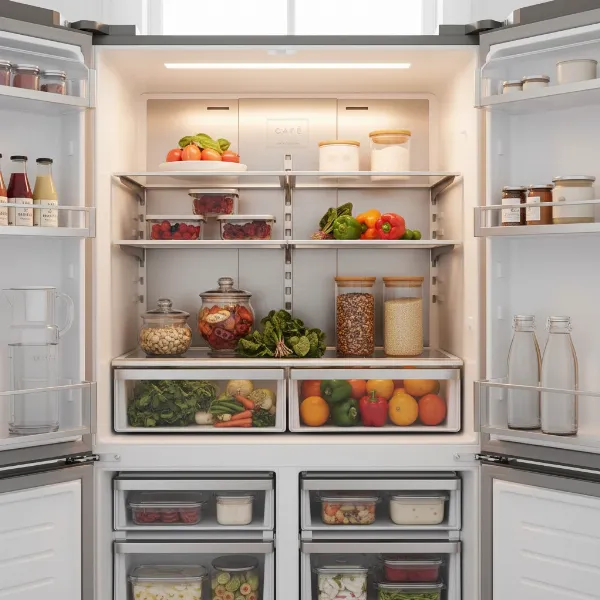
Stepping into the world of refrigerator shopping can feel overwhelming with the myriad of styles, features, and brands available. Among the most popular configurations vying for a spot in your kitchen are French door and side-by-side refrigerators. Both offer distinct advantages and cater to different household needs and preferences. Understanding the unique characteristics of each can simplify your decision, ensuring you select a refrigerator that perfectly complements your lifestyle and kitchen design. Let’s explore the ins and outs of these two prominent refrigerator styles to help you make an informed choice.
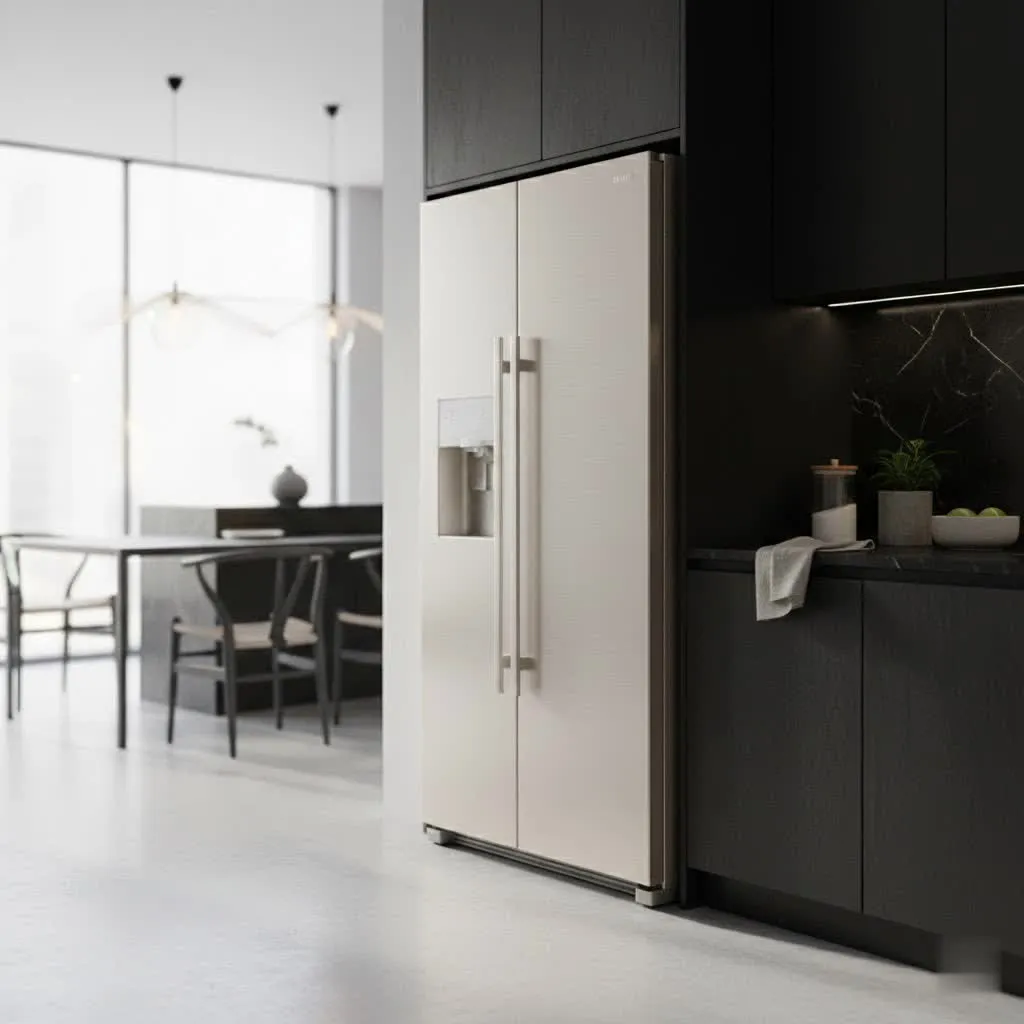
Understanding the Styles: French Door and Side-by-Side Refrigerators
At a glance, French door and side-by-side refrigerators present similar contemporary aesthetics, often featuring sleek finishes and modern conveniences. However, their internal layouts and door configurations set them apart, influencing everything from storage capacity to accessibility.
A French door refrigerator typically features two narrow doors that open from the center to reveal a wide, expansive fresh food compartment on top, with a pull-out freezer drawer located below. This design prioritizes fresh food storage, making daily items easily accessible at eye level.
In contrast, a side-by-side refrigerator divides the unit vertically, with the refrigerator compartment on one side and the freezer compartment on the other. Both sections run from top to bottom, offering eye-level access to both fresh and frozen foods through two tall, narrow doors.
French Door Refrigerators: The Pros and Cons
French door refrigerators have surged in popularity, largely due to their blend of style and functional design. Yet, like any appliance, they come with their own set of advantages and disadvantages.
Advantages of French Door Refrigerators:
- Spacious, Wide Refrigerator Compartment: The full-width top compartment is a major draw, perfect for storing large items like pizza boxes, wide serving platters, or sheet cakes without needing to tilt them. This makes organizing large groceries or holiday dishes a breeze.
- Eye-Level Fresh Food Access: With the refrigerator section positioned on top, your most frequently used fresh ingredients, dairy, and produce are conveniently placed at eye level, minimizing bending and stooping.
- Flexible Storage & Modern Aesthetics: Many French door models offer highly customizable interiors with adjustable shelves, gallon-sized door bins, and sometimes even convertible temperature drawers. Aesthetically, their dual-door design often presents a premium, built-in look that enhances modern kitchen décors.
- Potential Energy Efficiency: Because you typically only need to open one door to grab items from the fresh food section, less cold air escapes compared to opening a single, full-width door. This can contribute to better energy efficiency over time.
|
Our Picks for the Best Refrigerator in 2026
As an Amazon Associate I earn from qualifying purchases.
|
||
| Num | Product | Action |
|---|---|---|
| 1 | Whirlpool WRS321SDHZ 21 Cu. Ft. Stainless Side-by-Side Refrigerator |

|
| 2 | GE Profile 28.7 cu. ft. 4-Door French Door Refrigerator in Stainless Steel with Dual-Dispense Autofill Pitcher PGE29BYTFS |
|
| 3 | ARCTIC CHEF Mini Refrigerator, Compact Freezer Compartment, Adjustable Thermostat Control, Reversible Door, Ideal Fridge for Dorm, Office, Apartment, Platinum Stainless, 3.2 Cubic Feet |
|
| 4 | GE GTS18HGNRWW 28 Inch Top Freezer Refrigerator with 17.5 Cu. Ft. Capacity, Reversible Hinges, Gallon Door Shelves, Adjustable Glass Shelves, Frost Free |
|
| 5 | Electactic Mini Fridge 130 Can Beverage Refrigerator Cooler, 3.2 Cu.Ft Drink Fridge for Soda Wine Beer, Adjustable Temperature Control for Home Office, Black |
|
| 6 | Frigidaire EFR786 Retro Apartment Size Refrigerator with Top Freezer - 2 Door Fridge with 7.5 Cu Ft of Storage Capacity, Adjustable Spill-Proof Shelves, Door & Crisper Bins, Black |
|
| 7 | Frigidaire, 2 Door Apartment Size Refrigerator/Freezer Combo, 7.5 cu ft, Platinum Series, Stainless, 23" D x 21.5" W x 55.5" H |
|
| 8 | Frigidaire, 2 Door Apartment Size Refrigerator with Freezer, 7.5 cu ft, Adjustable Spill-Proof Shelves, Crisper Bins, Platinum Silver, Garage Ready |
|
| 9 | Samsung 17.5 cu. ft. Smart Counter Depth 3-Door French Door Refrigerator, Stainless Steel, RF18A5101SR/AA |
|
| 10 | NEWBULIG Mini Fridge with Freezer 3.2 Cu.Ft Small Refrigerator for Office, Dorm, Small Fridge with Adjustable Thermostat, Energy Saving, Singel Door, Black |
|
Disadvantages of French Door Refrigerators:
- Higher Price Point: Generally, French door refrigerators come with a higher initial purchase price than comparable side-by-side models, especially those with advanced features and larger capacities.
- Less Organized Freezer Drawer: While the bottom freezer drawer offers significant space, it can be a “dumping ground” for frozen items, making organization challenging and requiring more bending to access items at the bottom.
- Ice Maker Placement: Many French door models place the ice maker within the fresh food compartment or in one of the doors, which can reduce usable refrigerator storage space.
- Wider Door Swing Requirements: Although each door is narrower than a single-door refrigerator, the overall width of French door units is often greater, and both doors need adequate clearance to swing open fully, which might be a concern in smaller kitchens or those with island obstacles.
Side-by-Side Refrigerators: The Pros and Cons
Side-by-side refrigerators have been a staple in kitchens for decades, valued for their balanced design and accessibility. However, their unique configuration also presents certain trade-offs.
Advantages of Side-by-Side Refrigerators:
- Even Fridge and Freezer Access: One of the most significant benefits is having both fresh and frozen food compartments at eye level. This provides convenient access to all items without excessive bending or reaching, which can be particularly advantageous for individuals with mobility challenges.
- Excellent Vertical Organization: The tall, narrow shelves in both the refrigerator and freezer sections allow for clear vertical organization, making it easy to categorize items like drinks, condiments, and frozen meals.
- Space-Saving Door Swing: The narrower doors of a side-by-side model require less clearance to open fully compared to single-door or even French door configurations. This makes them an excellent choice for kitchens with tight spaces or where an appliance might be close to a wall or island.
- More Budget-Friendly: Typically, side-by-side refrigerators are available at a lower price point than French door models, offering a more economical option for those seeking a modern aesthetic and features without a premium cost.
Disadvantages of Side-by-Side Refrigerators:
- Narrow Shelf Space: The narrowness of both the fridge and freezer compartments is the primary drawback. Storing wide items like large platters, holiday turkeys, or oversized pizza boxes can be difficult or impossible, often requiring creative rearranging or alternative storage.
- Freezer Capacity for Bulky Items: While side-by-side freezers often boast considerable cubic footage, their narrow design can make it challenging to store bulky frozen items.
- Potentially Lower Fresh Food Capacity: Compared to French door models of the same total cubic footage, side-by-side refrigerators often dedicate a larger proportion of space to the freezer, which can mean slightly less usable fresh food storage for those who prioritize it.
- Energy Consumption Variability: While many side-by-side models are energy-efficient, some designs, particularly older ones or those with external ice/water dispensers, can be less efficient than certain French door models due to greater cold air loss from longer, full-length door openings.
Key Considerations When Choosing Your Refrigerator
Deciding between a French door and a side-by-side refrigerator ultimately boils down to aligning the appliance’s features with your specific needs and lifestyle.
- Kitchen Layout and Space: Measure your kitchen’s dimensions meticulously. Consider the depth, width of the opening, and the clearance needed for doors to swing open without obstruction. Side-by-side models generally fit better in narrower aisles due to their compact door swing, while French doors require more open space for their wider doors.
- Food Storage Habits: Reflect on how you shop and cook. If you frequently host gatherings, prepare large platters, or buy wide items, the expansive fresh food section of a French door model might be invaluable. If you prioritize an organized freezer and equal, eye-level access to both fresh and frozen goods, a side-by-side could be a better fit.
- Budget: Establish a realistic budget that covers the initial purchase price, potential installation costs, and long-term energy consumption. French door refrigerators tend to be pricier upfront, but both styles offer models across various price points.
- Features and Technology: Think about desirable features like ice and water dispensers, smart connectivity, specialized drawers for produce or deli items, and advanced cooling systems. Both styles offer these innovations, but their implementation and impact on usable space can differ.
- Household Needs & Accessibility: Consider everyone in your household. For taller individuals or those with limited mobility, the eye-level access of a side-by-side might be more comfortable. For families with children who frequently access snacks, the bottom freezer drawer of a French door or lower fresh food shelves might be more convenient.
Top Brands and Models in 2024
Leading appliance manufacturers consistently innovate in both French door and side-by-side refrigerator categories. Brands like Samsung, LG, Whirlpool, KitchenAid, GE Profile, and Bosch offer a wide array of models, each with proprietary technologies and unique design elements. Samsung and LG, for instance, are known for integrating smart features like touchscreens and advanced cooling systems. Whirlpool and KitchenAid often focus on robust build quality and practical storage solutions. GE Profile and Bosch provide a balance of smart technology and reliable performance, with many models incorporating flexible temperature zones and energy-efficient operations.
Buying Guide: Making the Smart Decision
Making the right refrigerator choice is a long-term investment in your kitchen’s functionality and aesthetic.
- Assess Your Kitchen Space: Before anything else, accurately measure the space where your refrigerator will go, including height, width, depth, and door swing clearance.
- Evaluate Your Storage Needs: Consider the types of food you buy most often, whether you store many wide items, and your preference for fresh versus frozen food volume.
- Set a Realistic Budget: Determine how much you’re willing to spend, factoring in not just the purchase price but also potential delivery, installation, and energy costs.
- Prioritize Features: Make a list of essential features (e.g., ice maker, water dispenser, smart connectivity, adjustable shelving) and desired luxuries.
- Read Reviews and Compare Models: Once you’ve narrowed down your preferences, research specific models and read user reviews to gauge reliability and real-world performance.
Conclusion
Choosing between a French door and a side-by-side refrigerator is a personal decision, deeply influenced by your kitchen’s layout, your culinary habits, and your household’s unique needs. French door models excel with wide fresh food compartments and premium aesthetics, while side-by-side refrigerators offer balanced eye-level access to both fridge and freezer and a more compact door swing. There’s no single “best” style, but rather the style that best fits you. By carefully weighing the pros and cons and considering your priorities, you can confidently select a refrigerator that will serve your home efficiently and stylishly for years to come. Which refrigerator style will ultimately become the centerpiece of your kitchen?
Frequently Asked Questions
Which refrigerator style is more energy efficient?
French door refrigerators often have an edge in energy efficiency because their dual top doors typically lead to less cold air loss when opened, as you usually only open one side to access items. However, many side-by-side models also come with Energy Star ratings, and overall efficiency can depend heavily on the specific model, its features, and how well it’s maintained.
Can I fit large platters in a side-by-side refrigerator?
Generally, side-by-side refrigerators feature narrow shelves in both the fridge and freezer compartments, which can make it challenging to store wide items like large serving platters, pizza boxes, or cookie sheets. If you frequently need to store such items, a French door refrigerator, with its wide, uninterrupted fresh food space, would likely be a more suitable choice.
Are French door refrigerators more prone to repairs?
Some data suggests that French door refrigerators, particularly those with complex features like in-door ice makers and multiple specialized drawers, may experience a slightly higher incidence of certain issues such as ice maker malfunctions or seal leaks compared to simpler refrigerator styles. However, reliability varies significantly by brand and specific model, with many French door refrigerators offering excellent long-term performance.
Which style offers better organization?
The “better” style for organization depends on your preference. Side-by-side refrigerators excel at vertical organization, allowing you to categorize items from top to bottom in both compartments. French door refrigerators offer a wide-open canvas in the main fresh food area, often with flexible shelving and bins, making them ideal for horizontal organization and accommodating varied item sizes.