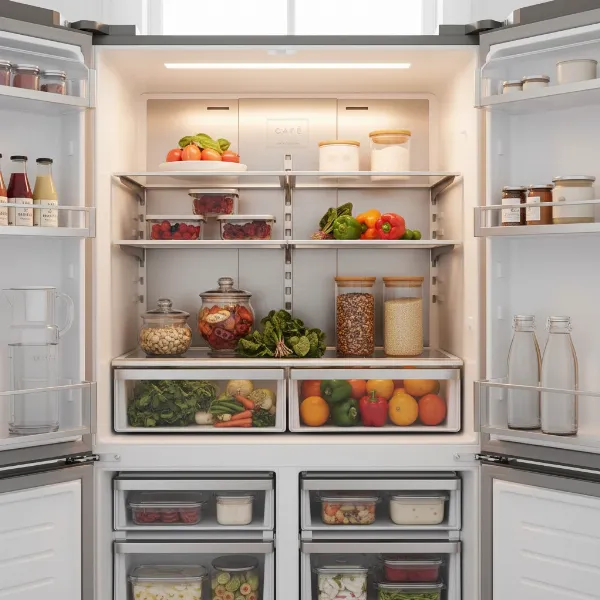
The global demand for cooling continues to surge, powering everything from our home refrigerators to vast industrial plants. Yet, this essential comfort comes at an environmental cost, largely due to energy-intensive compressors and ozone-depleting refrigerants. What if there was a cooling solution that promised higher efficiency, silent operation, and zero harmful emissions? Welcome to the world of magnetic refrigeration, a groundbreaking technology poised to redefine how we keep things cool. This innovative approach harnesses the fundamental properties of magnetism to create a cleaner, more sustainable future for cooling.
What is Magnetic Refrigeration?
Magnetic refrigeration is an advanced cooling method that uses magnetic fields to transfer heat, moving away from traditional vapor-compression cycles that rely on harmful gases. Unlike conventional systems, magnetic refrigerators operate on the “magnetocaloric effect” – a phenomenon where certain materials change temperature when exposed to a varying magnetic field. This solid-state cooling process offers a compelling alternative to the systems that have dominated the market for decades, presenting significant environmental and operational advantages.
How Does Magnetic Refrigeration Work? The Magnetocaloric Effect Explained
At the heart of magnetic refrigeration lies the magnetocaloric effect (MCE), a fascinating physical principle where specific materials exhibit a reversible temperature change when a magnetic field is applied or removed. When these special magnetocaloric materials are placed in a magnetic field, their internal magnetic domains align, causing the material to heat up as magnetic entropy decreases. Conversely, when the magnetic field is removed, these domains randomize, absorbing thermal energy from their surroundings and causing the material to cool down significantly. This elegant, gas-free process eliminates the need for compressors and chemical refrigerants, forming the basis of a revolutionary cooling cycle.
The magnetic refrigeration cycle typically operates in four distinct stages:
- Adiabatic Magnetization: A magnetocaloric material is introduced into a magnetic field in an insulated environment. The magnetic field forces the atomic magnetic dipoles to align, reducing the material’s magnetic entropy and causing it to heat up.
- Isomagnetic Enthalpy Transfer: While the magnetic field remains constant, the heat generated during magnetization is removed by a fluid (often water), preparing the material for the next cooling step.
- Adiabatic Demagnetization: The material is again insulated, and the magnetic field is reduced. As the external magnetic influence lessens, the magnetic moments return to a random orientation, absorbing thermal energy from the material itself and causing its temperature to drop below its initial point.
- Isomagnetic Entropic Transfer: With the magnetic field still removed, the now-cooled material absorbs heat from the space or substance it is designed to cool, completing the refrigeration cycle. This heat absorption then warms the material slightly, preparing it for re-magnetization.
This continuous, cyclical process allows for efficient heat transfer without the use of problematic chemical refrigerants.
Advantages of Magnetic Refrigeration
Magnetic refrigeration technology offers a suite of compelling benefits that position it as a leader in future cooling solutions, addressing many shortcomings of conventional systems.
Environmental Friendliness
|
Our Picks for the Best Refrigerator in 2026
As an Amazon Associate I earn from qualifying purchases.
|
||
| Num | Product | Action |
|---|---|---|
| 1 | NEWBULIG Mini Fridge with Freezer 3.2 Cu.Ft Small Refrigerator for Office, Dorm, Small Fridge with Adjustable Thermostat, Energy Saving, Singel Door, Black |

|
| 2 | Electactic Mini Fridge 130 Can Beverage Refrigerator Cooler, 3.2 Cu.Ft Drink Fridge for Soda Wine Beer, Adjustable Temperature Control for Home Office, Black |
|
| 3 | GE GTS18HGNRWW 28 Inch Top Freezer Refrigerator with 17.5 Cu. Ft. Capacity, Reversible Hinges, Gallon Door Shelves, Adjustable Glass Shelves, Frost Free |
|
| 4 | ARCTIC CHEF Mini Refrigerator, Compact Freezer Compartment, Adjustable Thermostat Control, Reversible Door, Ideal Fridge for Dorm, Office, Apartment, Platinum Stainless, 3.2 Cubic Feet |
|
| 5 | Frigidaire, 2 Door Apartment Size Refrigerator with Freezer, 7.5 cu ft, Adjustable Spill-Proof Shelves, Crisper Bins, Platinum Silver, Garage Ready |
|
| 6 | GE Profile 28.7 cu. ft. 4-Door French Door Refrigerator in Stainless Steel with Dual-Dispense Autofill Pitcher PGE29BYTFS |
|
| 7 | Frigidaire, 2 Door Apartment Size Refrigerator/Freezer Combo, 7.5 cu ft, Platinum Series, Stainless, 23" D x 21.5" W x 55.5" H |
|
| 8 | Whirlpool WRS321SDHZ 21 Cu. Ft. Stainless Side-by-Side Refrigerator |
|
| 9 | Frigidaire EFR786 Retro Apartment Size Refrigerator with Top Freezer - 2 Door Fridge with 7.5 Cu Ft of Storage Capacity, Adjustable Spill-Proof Shelves, Door & Crisper Bins, Black |
|
| 10 | Samsung 17.5 cu. ft. Smart Counter Depth 3-Door French Door Refrigerator, Stainless Steel, RF18A5101SR/AA |
|
One of the most significant advantages of magnetic refrigeration is its positive environmental impact. These systems use solid-state magnetocaloric materials as refrigerants, which have zero Global Warming Potential (GWP) and pose no threat to the ozone layer. This stands in stark contrast to traditional vapor-compression systems that often rely on hydrofluorocarbons (HFCs), chlorofluorocarbons (CFCs), or hydrochlorofluorocarbons (HCFCs), all known contributors to climate change and ozone depletion. The elimination of these harmful gases makes magnetic cooling a truly sustainable alternative.
Superior Energy Efficiency
Magnetic cooling systems demonstrate impressive energy efficiency, with studies suggesting they can be 20-30% more efficient than conventional vapor-compression methods. Some analyses indicate efficiencies reaching 60% compared to the theoretical Carnot cycle. This substantial gain results from the direct conversion of magnetic energy to thermal energy, bypassing the inherent inefficiencies of gas compression cycles. Such improvements translate directly into lower electricity consumption and reduced energy bills for users.
Quiet and Reliable Operation
Traditional refrigerators are often characterized by the hum and occasional clatter of their compressors. Magnetic refrigeration systems, however, operate with significantly less noise due to their simplified design with fewer moving parts. This absence of a bulky compressor results in quieter operation, making them ideal for noise-sensitive environments like homes, hospitals, and libraries. Furthermore, with fewer mechanical components and no volatile refrigerants to leak or recharge, magnetic systems tend to be more reliable and require substantially less maintenance, reducing long-term operating costs and enhancing longevity.
Compact Design and Precise Control
The use of solid working materials in magnetic refrigeration allows for a higher energy density and a more compact device footprint. This design advantage means smaller refrigeration units that require less space, which is particularly beneficial in applications where spatial constraints are a concern, such as retail display cases or specialized laboratory equipment. Beyond physical size, magnetic cooling systems offer exceptional temperature control capabilities. The magnetocaloric effect enables precise adjustments, making these systems perfectly suited for applications demanding exact temperature management, like preserving sensitive pharmaceuticals or scientific samples.
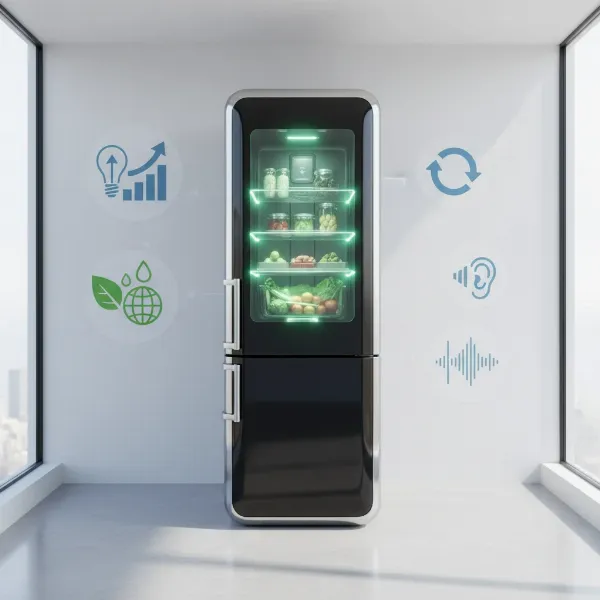 A visually appealing graphic illustrating the key benefits of magnetic refrigeration, such as energy savings and environmental impact.
Challenges and Disadvantages of Magnetic Refrigeration
Despite its significant promise, magnetic refrigeration faces several hurdles that impede its widespread adoption and commercialization. Overcoming these challenges is crucial for its transition from a niche technology to a mainstream cooling solution.
High Initial Investment and Material Cost
One of the primary obstacles for magnetic refrigeration is its high initial investment cost compared to conventional cooling systems. The specialized magnetocaloric materials, often rare-earth elements like gadolinium and its alloys, are expensive and have limited global availability. This material cost significantly drives up manufacturing expenses, making the final product less competitive against established, mass-produced vapor-compression units. Developing cost-effective alternative materials that do not rely on rare earths remains a key research priority.
Material Limitations and Temperature Range
Current magnetocaloric materials typically function optimally within narrow temperature ranges. Their efficiency tends to decrease substantially at higher temperatures, posing a significant barrier for everyday applications like household refrigerators and commercial cooling systems, which operate closer to room temperature. Achieving a large magnetocaloric effect across a broader, more practical temperature spectrum is a critical area of ongoing research and development. Furthermore, obtaining substantial temperature changes often requires multiple stages, which can lead to efficiency losses due to heat transfer between stages.
Magnetic Field Strength and Shielding
The effectiveness of magnetic refrigeration is directly tied to the strength of the magnetic fields used. While permanent magnets offer a compact solution, they have limited field strengths. Electromagnets and superconducting magnets can generate stronger fields but come with their own drawbacks, including high costs and power demands for maintaining cryogenic conditions in the case of superconductors. Additionally, there is a need to protect sensitive electronic components from potential interference from these magnetic fields, although modern designs often incorporate shielding to mitigate this concern.
Scalability and Manufacturing Complexities
Current production methods for magnetocaloric materials are often developed at a laboratory scale and do not easily translate to mass manufacturing processes. Scaling up production while maintaining material quality and reducing costs presents a significant engineering challenge. The complex nature of magnetic cooling systems, requiring precise control of magnetic fields and sophisticated heat transfer mechanisms, further complicates manufacturing and slows market entry. As a result, commercializing these products has been a long-standing challenge despite decades of research.
Current Developments and Future Prospects
The magnetic refrigeration market is on the cusp of significant expansion, driven by increasing environmental consciousness and the continuous pursuit of energy-efficient technologies. Projections indicate a substantial growth trajectory, with the market expected to reach US$1.10 billion by 2030, growing at a compound annual growth rate (CAGR) of 38.53% from 2025. This anticipated growth highlights the industry’s increasing confidence in the commercial viability and transformative potential of magnetic cooling.
Advancements in Materials and System Design
A major focus of ongoing research involves the development of new magnetocaloric materials that are more efficient, cost-effective, and operate over wider temperature ranges. While gadolinium and its alloys have been foundational, scientists are actively exploring alternatives like manganese-iron-phosphorus-arsenic compounds and lanthanum-iron-silicon alloys, which promise strong magnetocaloric effects without relying heavily on expensive rare-earth elements. Parallel to material science, engineers are refining system designs, including improved regenerator configurations and optimized fluid dynamics, to enhance cooling capacity and reduce overall system complexity and cost.
Diverse Applications on the Horizon
The versatility of magnetic cooling positions it for integration across various sectors:
- Residential and Commercial: Imagine silent, energy-efficient household refrigerators and air conditioning units that use significantly less electricity and eliminate harmful refrigerants. In commercial settings, magnetic refrigeration could lead to more efficient cooling in grocery stores and restaurants, with streamlined display cases due to the absence of bulky compressors.
- Industrial and Medical: Industries requiring precise temperature control, such as food preservation facilities and chemical processing plants, stand to benefit from the reduced energy consumption and elimination of refrigerant leaks offered by magnetic systems. In the medical field, the stable and precise temperature management of pharmaceuticals and biological samples is critical, making magnetic cooling an ideal candidate.
- Specialized Applications: Magnetic refrigeration is a promising technology for the liquefaction of hydrogen, with researchers achieving this milestone for the first time using Active Magnetic Regenerative (AMR) refrigeration. Its application extends to cryogenic fields, including quantum computing and superconductivity research, where ultra-low temperatures are essential.
- Integration with Renewable Energy: Looking ahead, integrating magnetic cooling systems with renewable energy sources, such as solar power, could provide sustainable cooling solutions in remote areas lacking reliable electricity, further amplifying the technology’s environmental benefits.
Commercialization Efforts
Several companies and research institutions are actively working towards commercializing magnetic refrigeration. Pioneers like Magnotherm, Camfridge, and NBAEM are at the forefront, developing cutting-edge magnetocaloric materials and working on prototypes and products like magnetic beverage coolers and advanced cooling systems for various applications. These efforts aim to overcome the historical challenges in bringing this promising technology to market, potentially transforming the entire cooling industry.
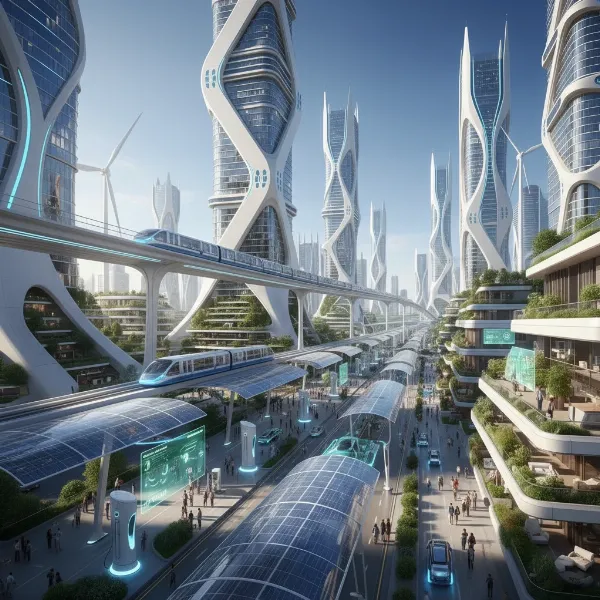 A futuristic cityscape with buildings featuring advanced, energy-efficient cooling units, and smart homes with sleek, silent refrigerators.
> “Magnetic refrigeration offers a pathway to fundamentally cleaner and more efficient cooling, a necessity for a sustainable future. The ongoing material science breakthroughs and engineering innovations are slowly but surely paving the way for its widespread adoption.” – Dr. Anya Sharma, Lead Researcher in Advanced Thermophysics
Conclusion
Magnetic refrigeration stands as a beacon for the future of cooling technology, offering an environmentally sound and energy-efficient alternative to the conventional systems that have long dominated our world. By harnessing the magnetocaloric effect and eliminating harmful chemical refrigerants, this innovative approach promises a significant reduction in greenhouse gas emissions and a substantial improvement in energy efficiency. While challenges such as high initial costs, material limitations, and manufacturing scalability remain, ongoing research and development are steadily addressing these hurdles. As companies continue to refine magnetocaloric materials and system designs, we move closer to a future where silent, eco-friendly cooling is the standard, transforming everything from household appliances to industrial complexes. Could magnetic refrigeration be the key to a truly sustainable global cooling infrastructure?
Frequently Asked Questions
What makes magnetic refrigeration more eco-friendly than traditional cooling?
Magnetic refrigeration is considered more eco-friendly because it utilizes solid-state magnetocaloric materials instead of harmful chemical refrigerants like HFCs or CFCs. These solid materials have zero Global Warming Potential (GWP) and do not contribute to ozone depletion, significantly reducing the environmental impact associated with cooling systems.
How much more energy-efficient is magnetic refrigeration?
Magnetic refrigeration systems are estimated to be 20-30% more energy-efficient than traditional vapor-compression methods. This improved efficiency stems from the direct conversion of magnetic energy to thermal energy, which bypasses the inefficiencies inherent in gas compression cycles, leading to substantial energy savings.
What are the main materials used in magnetic refrigeration?
The primary material historically used in magnetic refrigeration is gadolinium and its alloys due to their strong magnetocaloric effect near room temperature. However, research is actively exploring more cost-effective and abundant alternatives, such as manganese-iron-phosphorus-arsenic compounds and lanthanum-iron-silicon alloys.
Why isn’t magnetic refrigeration widely available yet?
Magnetic refrigeration faces several commercialization challenges, including high initial investment costs due to expensive rare-earth materials, the need for materials that perform efficiently across wider temperature ranges, and difficulties in scaling up laboratory-level production to mass manufacturing. These factors currently limit its widespread availability.
What are some potential future applications for magnetic cooling?
Future applications for magnetic cooling are vast and include household refrigerators and air conditioners, commercial refrigeration for stores and restaurants, industrial cooling for food preservation and chemical plants, and specialized uses like hydrogen liquefaction and cooling for medical equipment or quantum computing. Its integration with renewable energy sources is also a promising area.