Choosing a new refrigerator can feel like navigating a maze of features, styles, and technologies. Among the many brands vying for a spot in your kitchen, Samsung and LG consistently emerge as frontrunners, each offering a compelling blend of innovation and design. These South Korean giants dominate the appliance market, pushing boundaries with smart features and sleek aesthetics. But when it comes down to Samsung vs. LG refrigerators, which brand truly offers the best fit for your lifestyle and budget? This comprehensive guide will help you unpack their differences, understand their strengths, and ultimately make an informed decision for your home.
Understanding Popular Refrigerator Types
Before diving into the specifics of Samsung and LG, it’s helpful to understand the common refrigerator styles available, as both brands offer models across these categories:
- Top-Freezer Refrigerators: The classic and often most budget-friendly option, with the freezer compartment located above the fresh food section.
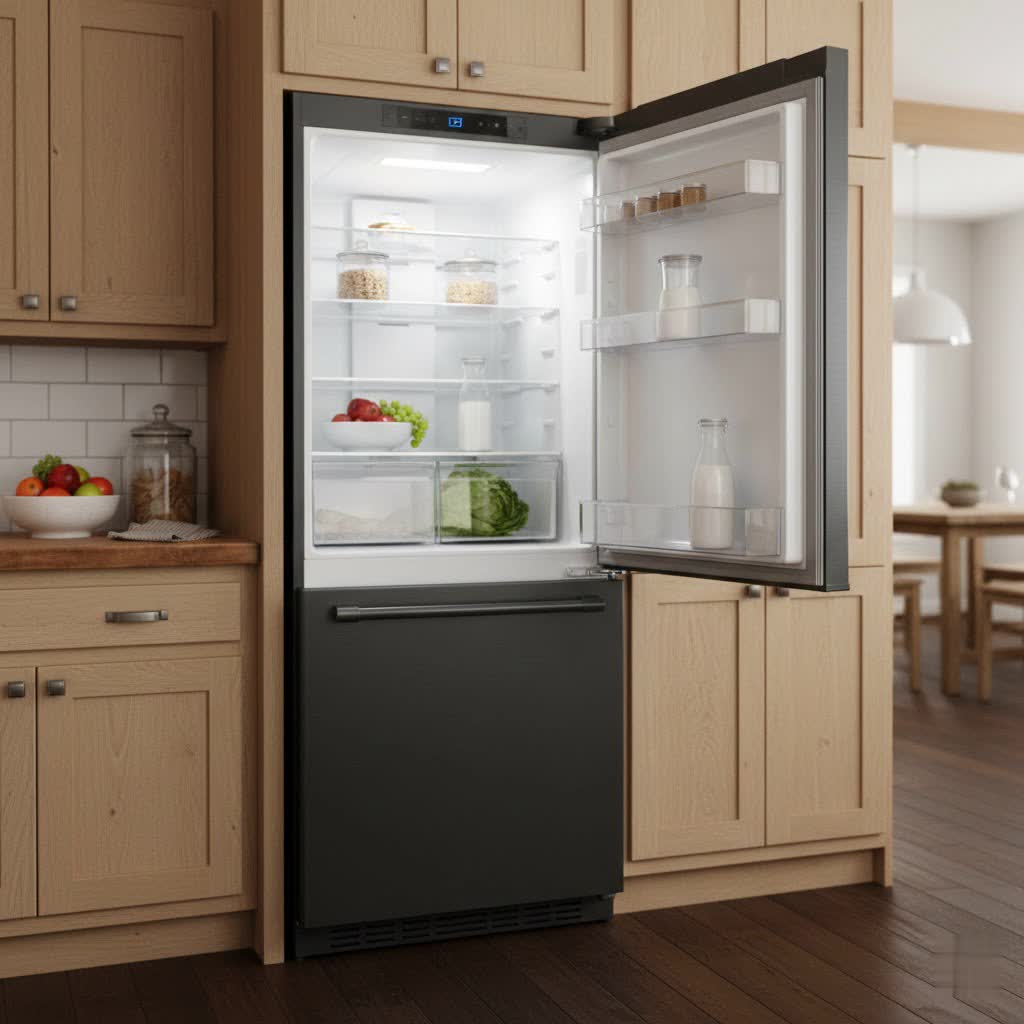
- Bottom-Freezer Refrigerators: These place the fresh food section at eye level for easy access, with a pull-out freezer drawer below.
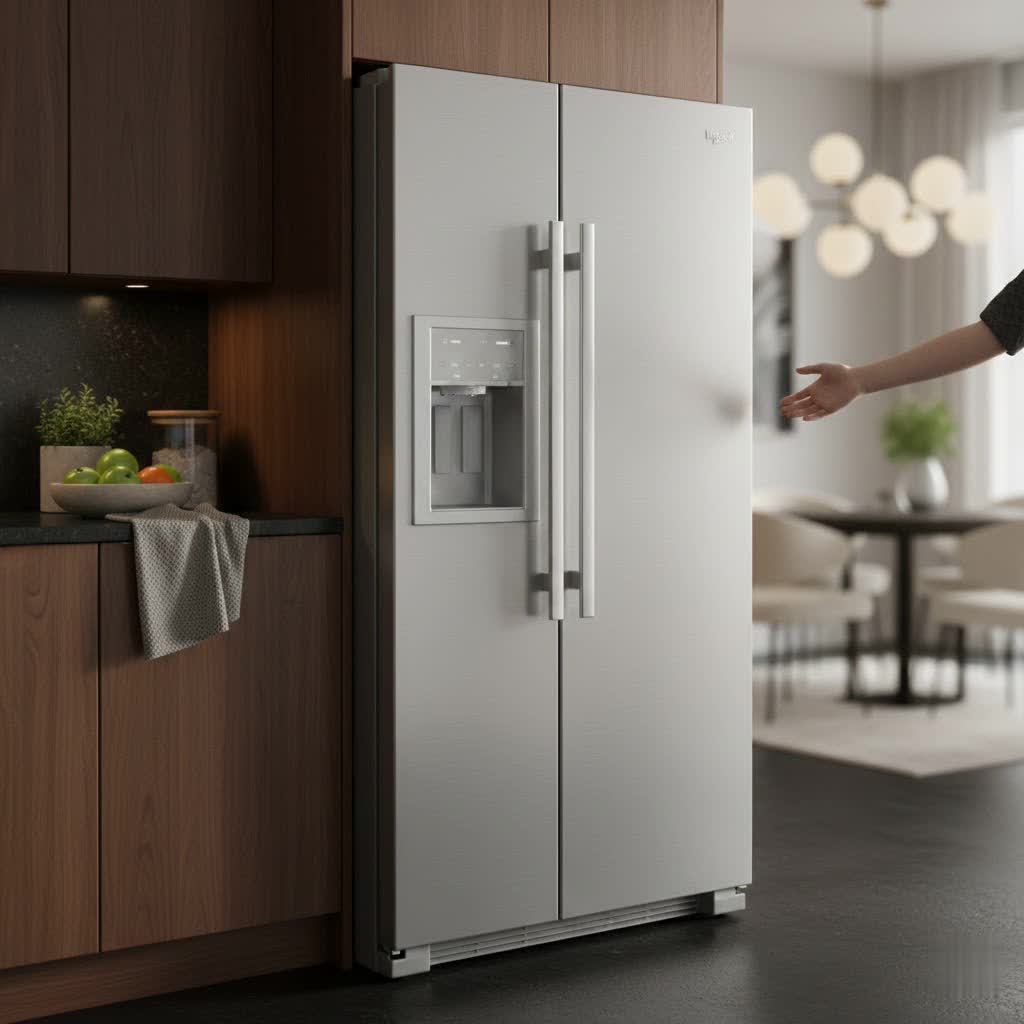
- Side-by-Side Refrigerators: Featuring two vertical doors, one for the freezer and one for the refrigerator, offering ample storage and easy access to both compartments.
- French Door Refrigerators: A popular choice with two refrigerator doors on top and one or two freezer drawers below. They combine wide fresh food storage with convenient freezer access.
- Multi-Door Refrigerators: An evolution of French door designs, offering additional specialized compartments and flexible storage zones, often seen in high-end models from both brands.
Samsung Refrigerators: Innovation and Style
Samsung has carved out a strong reputation for integrating cutting-edge technology and customizable designs into its refrigerators. If you’re looking for an appliance that doubles as a smart home hub and a design statement, Samsung often leads the way.
Key Technologies and Features
Samsung refrigerators are packed with innovative features designed to enhance convenience and connectivity:
- Family Hub™: A standout feature on select models, this large touchscreen on the refrigerator door acts as a central command center for your kitchen. It allows you to manage groceries, stream music, mirror your TV, view calendars, and even peek inside your fridge remotely.
- Bespoke Design: Samsung’s Bespoke line allows for unparalleled customization, with interchangeable door panels in a variety of colors and finishes. This means your refrigerator can truly match or complement your kitchen’s aesthetic, evolving with your style.
- Beverage Center™: Many Samsung models include an internal water dispenser and an AutoFill Water Pitcher that automatically refills with filtered water, often infused with flavors.
- FlexZone™: This convertible compartment can switch between refrigerator and freezer modes, offering flexible storage solutions based on your changing needs.
- Twin Cooling Plus™: Utilizes separate evaporators for the refrigerator and freezer compartments to maintain optimal humidity levels, preventing odor transfer and keeping food fresher longer.
- SmartThings Integration: Connect your refrigerator to Samsung’s SmartThings ecosystem, allowing for remote monitoring, control, and integration with other smart home devices.
|
Our Picks for the Best Refrigerator in 2026
As an Amazon Associate I earn from qualifying purchases.
|
||
| Num | Product | Action |
|---|---|---|
| 1 | NEWBULIG Mini Fridge with Freezer 3.2 Cu.Ft Small Refrigerator for Office, Dorm, Small Fridge with Adjustable Thermostat, Energy Saving, Singel Door, Black |

|
| 2 | ARCTIC CHEF Mini Refrigerator, Compact Freezer Compartment, Adjustable Thermostat Control, Reversible Door, Ideal Fridge for Dorm, Office, Apartment, Platinum Stainless, 3.2 Cubic Feet |
|
| 3 | Electactic Mini Fridge 130 Can Beverage Refrigerator Cooler, 3.2 Cu.Ft Drink Fridge for Soda Wine Beer, Adjustable Temperature Control for Home Office, Black |
|
| 4 | Frigidaire EFR786 Retro Apartment Size Refrigerator with Top Freezer - 2 Door Fridge with 7.5 Cu Ft of Storage Capacity, Adjustable Spill-Proof Shelves, Door & Crisper Bins, Black |
|
| 5 | Whirlpool WRS321SDHZ 21 Cu. Ft. Stainless Side-by-Side Refrigerator |
|
| 6 | Samsung 17.5 cu. ft. Smart Counter Depth 3-Door French Door Refrigerator, Stainless Steel, RF18A5101SR/AA |
|
| 7 | Frigidaire, 2 Door Apartment Size Refrigerator/Freezer Combo, 7.5 cu ft, Platinum Series, Stainless, 23" D x 21.5" W x 55.5" H |
|
| 8 | Frigidaire, 2 Door Apartment Size Refrigerator with Freezer, 7.5 cu ft, Adjustable Spill-Proof Shelves, Crisper Bins, Platinum Silver, Garage Ready |
|
| 9 | GE Profile 28.7 cu. ft. 4-Door French Door Refrigerator in Stainless Steel with Dual-Dispense Autofill Pitcher PGE29BYTFS |
|
| 10 | GE GTS18HGNRWW 28 Inch Top Freezer Refrigerator with 17.5 Cu. Ft. Capacity, Reversible Hinges, Gallon Door Shelves, Adjustable Glass Shelves, Frost Free |
|
Advantages of Samsung Refrigerators
- Cutting-Edge Smart Features: The Family Hub™ and robust SmartThings integration provide a highly connected kitchen experience.
- Customizable Design: The Bespoke line offers unique aesthetic flexibility, allowing homeowners to personalize their appliance.
- Innovative Storage Solutions: Features like the Beverage Center™ and FlexZone™ cater to diverse modern lifestyles.
- Often Lower Entry Price Points: Samsung can offer attractive pricing, especially for feature-rich models that still fall within a mid-range budget.
Potential Downsides of Samsung Refrigerators
- Perceived Reliability Concerns: Some users have reported issues with ice makers and cooling performance in specific Samsung models in the past.
- Service Network: While improving, service availability for some advanced features might be less robust in certain rural areas compared to larger metropolitan hubs.
LG Refrigerators: Reliability and Performance
LG has built its brand on a foundation of reliability, energy efficiency, and thoughtful innovation that prioritizes food preservation and user convenience. For many, LG represents a dependable workhorse that integrates smart features without overwhelming the core function of cooling.
Key Technologies and Features
LG refrigerators emphasize core performance and durability alongside smart conveniences:
- Linear Compressor™ Technology: LG’s proprietary compressor is designed for quiet operation and efficiency, known for precise temperature control.
- Door-in-Door® with InstaView™: This popular feature allows you to see inside a specific compartment with a simple knock on the transparent panel, reducing cold air loss.
- Craft Ice™ Maker: Found in many premium LG models, this feature produces slow-melting, spherical ice for beverages, elevating your entertaining experience.
- Smart Cooling®/Linear Cooling™/DoorCooling+™: These technologies work to maintain consistent temperatures throughout the refrigerator and quickly cool items in the door, where temperature fluctuations are common.
- Smart Diagnosis™: Allows users to troubleshoot minor issues using a smartphone app, making maintenance and support more straightforward.
- ThinQ® App Integration: LG’s app provides remote control, monitoring, and alerts for your refrigerator, ensuring optimal performance and convenience.
Advantages of LG Refrigerators
- Proven Reliability and Durability: LG often receives high marks for the longevity of its refrigerators, particularly its compressor technology.
- Excellent Cooling Performance: Technologies like Linear Cooling and DoorCooling+ ensure consistent temperatures and superior food preservation.
- Energy Efficiency: Many LG models are ENERGY STAR® certified, helping to reduce electricity bills and environmental impact.
- Convenient Features: InstaView Door-in-Door and Craft Ice are innovative without feeling overly complex.
Potential Downsides of LG Refrigerators
- Higher Initial Cost: LG refrigerators, especially models with advanced features like Craft Ice, can sometimes have a higher upfront price point.
- Fewer Ultra-High-Tech Screens: While LG offers smart connectivity, it generally focuses less on expansive screen interfaces compared to Samsung’s Family Hub.
A Detailed Comparison: Samsung vs. LG
To help you decide, let’s break down the key areas where these two brands differ:
Reliability and Durability
When it comes to the long haul, LG often holds an advantage. Numerous reports and consumer satisfaction studies suggest LG refrigerators generally exhibit superior reliability, with their Linear Compressor technology frequently highlighted for its efficiency and durability. However, it’s worth noting that all appliances can have issues, and maintenance is key for both brands. Samsung has also improved its offerings, and customer satisfaction varies by specific model type.
Innovation and Smart Features
This is where Samsung truly shines with its integration of advanced technology. The Family Hub™ display transforms the refrigerator into a communication and entertainment center, while the Bespoke line offers unprecedented design customization. LG, while very smart, tends to focus its innovation more on core cooling technologies and user-friendly features like InstaView Door-in-Door and the Craft Ice maker. If you prioritize a highly integrated smart home experience and personalized aesthetics, Samsung often has more to offer. If you prefer smart features that enhance practical use rather than add a central screen, LG’s approach might appeal more.
Design and Aesthetics
Both brands offer sleek, modern designs that can elevate any kitchen. However, Samsung’s Bespoke line stands out for its modularity and extensive color/finish options, allowing for a truly personalized look. LG also provides a wide range of stylish finishes, including its popular Black Stainless Steel, and unique elements like the InstaView panel which adds a contemporary touch. The choice here often comes down to personal preference for specific design elements and the desire for customization.
Price and Value
Samsung often offers more accessible entry-level pricing for some of its models, making high-tech features available to a broader audience. LG’s pricing can be slightly higher, especially for models boasting advanced cooling and specialized ice makers. However, considering LG’s strong reputation for reliability and energy efficiency, some argue that LG might offer better long-term value through potentially lower repair costs and operational savings.
Cooling Performance
Both Samsung and LG employ advanced cooling technologies to keep food fresh. LG’s Linear Cooling and DoorCooling+ are highly regarded for maintaining consistent temperatures throughout the refrigerator, including the often-warmer door bins. Samsung’s Twin Cooling Plus™ also performs well in preventing temperature fluctuations and odor mixing. For critical food preservation, both brands deliver excellent results, though LG often gets a slight nod for its emphasis on steady, even cooling.
Common Issues
Understanding common problems can help set expectations:
- Samsung: Historically, Samsung refrigerators have faced reports of ice maker malfunctions (producing small ice, leaking, or breaking) and occasional cooling issues (e.g., inadequate cooling or freezing up). While Samsung has worked to address these, it’s wise to check recent model reviews.
- LG: Some LG models, particularly older ones, had documented compressor issues. However, LG has largely addressed this with improved Smart Inverter Compressors and offers a generous warranty on these components. Other reported issues include water dispenser problems and occasional noisy operation.
Top Models (2024 Examples)
- Samsung Bespoke 4-Door Flex Refrigerator: This model frequently appears on “best of” lists for its customizable design, versatile FlexZone compartment, and convenient Beverage Center. It’s a flagship example of Samsung’s blend of style and innovation.
- LG Counter-Depth MAX™ French Door Refrigerator (e.g., LFXS26596S): Praised for its spacious interior within a counter-depth footprint and its InstaView Door-in-Door feature, this LG model exemplifies practical innovation and ample storage.
Your Refrigerator Buying Guide
To choose the perfect refrigerator, consider these practical steps:
- Assess Your Needs: How many people are in your household? What are your grocery shopping habits? Do you need a large freezer capacity or more fresh food space?
- Define Your Budget: Determine a realistic price range. Remember to factor in potential long-term energy costs and warranty coverage.
- Choose a Style and Capacity: Select a refrigerator type (French door, side-by-side, etc.) that fits your kitchen layout and aesthetic preference, ensuring it has enough cubic feet for your household.
- Prioritize Features: Do you crave smart home integration and a digital family hub? Or is consistent cooling, energy efficiency, and a reliable ice maker more important?
- Check Dimensions: Measure your kitchen space meticulously, including door openings and cabinet clearances, to ensure the refrigerator fits.
- Read Recent Reviews: While historical data is useful, always look for reviews of current models to get the most up-to-date information on performance and reliability.
- Understand Warranties: Review the warranty terms for major components like compressors, as these can vary significantly between brands and models.
Usage and Maintenance Tips for Any Refrigerator
Regardless of whether you choose Samsung or LG, proper usage and maintenance will extend your appliance’s life:
- Regular Cleaning: Wipe down interior and exterior surfaces monthly. Clean condenser coils (usually at the back or underneath) every 6-12 months to ensure efficient cooling.
- Organize Smartly: Arrange food to allow for proper airflow. Avoid overcrowding shelves, which can hinder cooling.
- Monitor Temperatures: Ensure your refrigerator is set to 37°F (3°C) and your freezer to 0°F (-18°C) for optimal food safety and energy efficiency.
- Check Door Seals: Periodically inspect door gaskets for tears or gaps. A simple paper test (closing a dollar bill in the door and checking resistance) can reveal faulty seals.
- Troubleshoot Common Issues: Familiarize yourself with basic troubleshooting steps for common problems like ice maker issues, cooling fluctuations, or strange noises. Many issues can be resolved without a service call.
“A refrigerator is more than just a cooling box; it’s the guardian of your groceries and often the hub of your kitchen. Choosing wisely means balancing innovative features with dependable performance.” – John Smith, Appliance Technician with 10+ Years Experience
Conclusion
Both Samsung and LG offer excellent refrigerators that blend advanced technology with modern design. Your ultimate choice depends on what you value most. If you’re a tech-savvy homeowner who prioritizes cutting-edge smart features, extensive customization, and a sleek, statement-making appliance, Samsung might be your perfect match. If, however, your focus is on rock-solid reliability, superior cooling performance, energy efficiency, and practical innovations like the InstaView door or Craft Ice, LG is likely to be the better choice.
Ultimately, there isn’t a single “better” brand, but rather a better fit for your specific needs, preferences, and kitchen aesthetic. By evaluating your priorities against the strengths of each brand, you can confidently select a refrigerator that will serve your home for years to come. What features are non-negotiable for your ideal kitchen companion?
Frequently Asked Questions
Which refrigerator brand is generally more reliable, Samsung or LG?
LG often receives higher ratings for long-term reliability and durability, particularly concerning its compressor technology. While both brands have made strides in quality, LG is frequently cited for its dependable performance over time.
Do Samsung or LG refrigerators have better smart features?
Samsung typically leads in highly integrated smart features with its Family Hub™ touchscreen and extensive SmartThings ecosystem, offering a more comprehensive digital kitchen experience. LG provides robust smart connectivity through its ThinQ® app and practical innovations like InstaView.
Which brand offers better customization options for refrigerators?
Samsung excels in customization with its Bespoke line, allowing users to choose and change the color and finish of door panels to match their kitchen decor. LG offers various stylish finishes but less modular aesthetic customization.
Are LG refrigerators more energy efficient than Samsung?
Both brands offer many ENERGY STAR® certified models. LG is often highlighted for its energy-efficient compressor technology, which can contribute to lower electricity consumption over the appliance’s lifespan.
Which brand is known for better ice makers?
Both brands offer advanced ice makers. While Samsung has had some historical issues with ice maker reliability in certain models, both now offer features like dual ice makers (Samsung) and specialized Craft Ice (LG). Many modern ice makers from both companies are reliable and efficient.