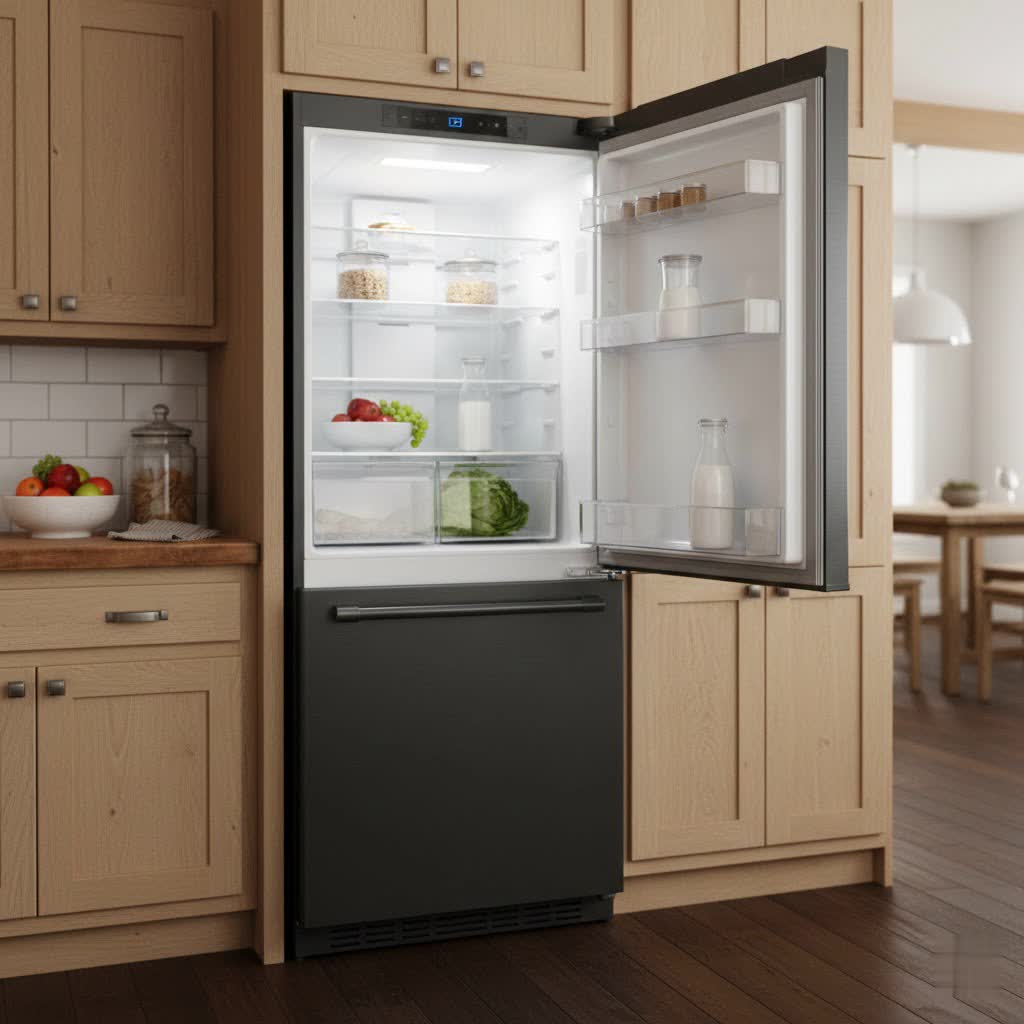
Selecting the right refrigerator is a pivotal decision for any kitchen, impacting not just food storage but also the overall aesthetic and functionality of your space. Among the primary choices homeowners face is the battle of dimensions: counter-depth versus standard-depth refrigerators. This choice isn’t merely about how much food you can store; it’s a design decision that affects workflow, visual harmony, and even your budget. Understanding the distinct characteristics, advantages, and drawbacks of each can help you make an informed decision that perfectly complements your home and lifestyle.
Understanding Refrigerator Depths: Counter-Depth vs. Standard Depth
When comparing refrigerator depths, the fundamental difference lies in how far the appliance extends from your kitchen cabinetry. This distinction significantly influences both the practical use of your kitchen and its visual appeal.
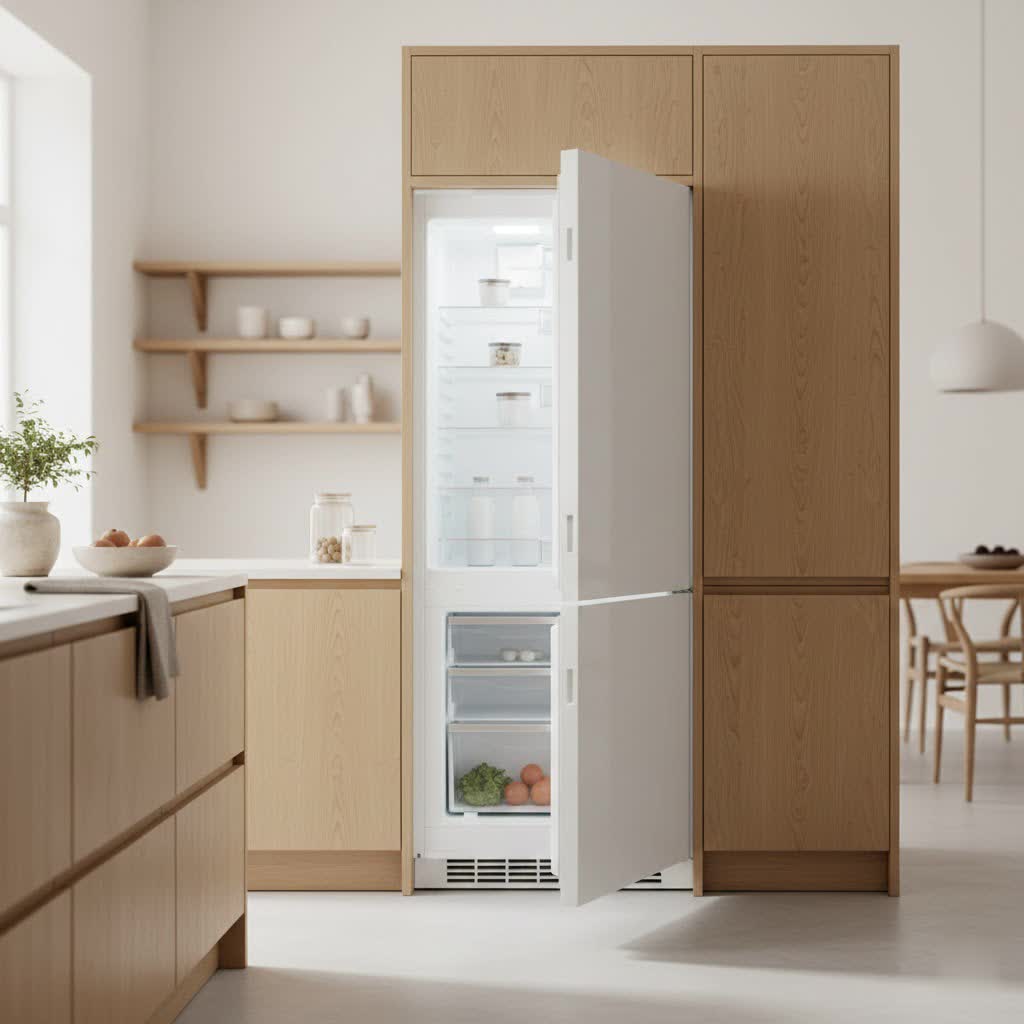
Counter-depth refrigerators are specifically engineered to sit nearly flush with your standard 24-inch deep kitchen countertops and cabinetry. Their overall depth, typically ranging from 24 to 30 inches (excluding handles and doors), is designed to create a streamlined, built-in appearance. While the doors themselves will still protrude slightly to allow for full opening, the body of the refrigerator aligns neatly with the surrounding units, offering a sleek and integrated look.
In contrast, standard-depth refrigerators are the more traditional option, offering maximum storage capacity. These models typically measure around 30 to 36 inches deep, including the doors and handles. This greater depth means they will extend several inches past your kitchen counters and cabinets, a characteristic that can impact kitchen flow and aesthetics, especially in smaller spaces.
Counter-Depth Refrigerators: Pros and Cons
Counter-depth refrigerators have surged in popularity, largely due to their ability to transform a kitchen’s appearance. However, their sleek design comes with its own set of trade-offs.
Advantages of Counter-Depth Models
- Seamless, Built-In Look: The primary appeal of counter-depth refrigerators is their aesthetic contribution. By aligning closely with your cabinetry, they create a cohesive and integrated appearance that mimics the look of a custom, built-in appliance without the hefty price tag. This streamlined design is particularly favored in modern or open-concept kitchens.
- Space-Saving Aesthetics: While they may offer less internal capacity, their shallower profile prevents them from jutting out into walkways. This is a significant advantage in smaller kitchens, galley kitchens, or those with narrow aisles, where every inch of floor space and clear passage is crucial. They can make a kitchen feel more open and less cluttered.
- Easier Access to Items: The reduced depth means everything inside is more visible and accessible. Food items are less likely to get lost at the back of shelves, which can help reduce food waste and make meal prep more efficient. You can easily scoot items to the front, ensuring nothing is forgotten.
- Improved Kitchen Flow: Without a bulky appliance interrupting the visual line of your counters, the kitchen feels more expansive and orderly. This can enhance the overall flow and functionality of the space, especially when navigating between different work zones.
|
Our Picks for the Best Refrigerator in 2026
As an Amazon Associate I earn from qualifying purchases.
|
||
| Num | Product | Action |
|---|---|---|
| 1 | Samsung 17.5 cu. ft. Smart Counter Depth 3-Door French Door Refrigerator, Stainless Steel, RF18A5101SR/AA |

|
| 2 | GE GTS18HGNRWW 28 Inch Top Freezer Refrigerator with 17.5 Cu. Ft. Capacity, Reversible Hinges, Gallon Door Shelves, Adjustable Glass Shelves, Frost Free |
|
| 3 | Frigidaire, 2 Door Apartment Size Refrigerator with Freezer, 7.5 cu ft, Adjustable Spill-Proof Shelves, Crisper Bins, Platinum Silver, Garage Ready |
|
| 4 | Frigidaire EFR786 Retro Apartment Size Refrigerator with Top Freezer - 2 Door Fridge with 7.5 Cu Ft of Storage Capacity, Adjustable Spill-Proof Shelves, Door & Crisper Bins, Black |
|
| 5 | NEWBULIG Mini Fridge with Freezer 3.2 Cu.Ft Small Refrigerator for Office, Dorm, Small Fridge with Adjustable Thermostat, Energy Saving, Singel Door, Black |
|
| 6 | Whirlpool WRS321SDHZ 21 Cu. Ft. Stainless Side-by-Side Refrigerator |
|
| 7 | GE Profile 28.7 cu. ft. 4-Door French Door Refrigerator in Stainless Steel with Dual-Dispense Autofill Pitcher PGE29BYTFS |
|
| 8 | Electactic Mini Fridge 130 Can Beverage Refrigerator Cooler, 3.2 Cu.Ft Drink Fridge for Soda Wine Beer, Adjustable Temperature Control for Home Office, Black |
|
| 9 | ARCTIC CHEF Mini Refrigerator, Compact Freezer Compartment, Adjustable Thermostat Control, Reversible Door, Ideal Fridge for Dorm, Office, Apartment, Platinum Stainless, 3.2 Cubic Feet |
|
| 10 | Frigidaire, 2 Door Apartment Size Refrigerator/Freezer Combo, 7.5 cu ft, Platinum Series, Stainless, 23" D x 21.5" W x 55.5" H |
|
Disadvantages of Counter-Depth Models
- Lower Capacity: One of the most significant drawbacks is the reduced internal storage space. Counter-depth models typically offer between 20 to 24 cubic feet of storage, which is about 4 to 6 cubic feet less than an average standard-depth model. This might be a concern for large families, those who buy groceries in bulk, or individuals who frequently entertain. Fitting oversized items like large pizza boxes or wide serving trays can also be challenging.
- Higher Price Point: You often pay a premium for the specialized design and engineering required to achieve the compact, flush fit. Counter-depth refrigerators generally cost more than their standard-depth counterparts, even with less interior volume.
- Limited Brand/Model Options: While the selection is growing, standard-depth models still typically offer a wider variety of brands, styles, finishes, and features to choose from. This might mean fewer options if you have specific aesthetic or functional preferences.
- Installation Considerations: Achieving a true “built-in” look may require precise cabinetry work around the appliance, potentially increasing installation costs. Proper ventilation is also crucial, as the tighter fit can restrict airflow if not installed correctly.
Standard-Depth Refrigerators: Pros and Cons
Standard-depth refrigerators have been a kitchen staple for decades, prized for their generous storage and robust functionality. They remain a popular choice for many households, offering practical advantages that outweigh their more prominent profile for some users.
Advantages of Standard-Depth Models
- Greater Storage Capacity: The most compelling advantage of standard-depth refrigerators is their expansive interior. With capacities typically ranging from 25 to 30 cubic feet, these models are ideal for large families, avid home cooks, or anyone who regularly stores bulk groceries, large platters, or numerous leftovers. They can accommodate oversized items with ease.
- More Affordable: Generally, standard-depth refrigerators are less expensive than counter-depth models, offering a better value per cubic foot of storage. This makes them a more budget-friendly option for many consumers.
- Wider Range of Models and Features: Due to their long-standing popularity, standard-depth refrigerators are available in an extensive array of styles (French door, side-by-side, top-freezer, bottom-freezer), finishes, and with a broader selection of advanced features and technologies. This makes it easier to find a model that perfectly matches your functional needs and aesthetic preferences.
- Easier to Find Replacements: Given their widespread availability, replacing a standard-depth refrigerator is often simpler, with more options readily accessible from various retailers and brands.
Disadvantages of Standard-Depth Models
- Protrudes from Cabinetry: The most noticeable drawback is their tendency to extend several inches beyond your kitchen counters and cabinets. This protrusion can disrupt the visual flow of the kitchen, especially in a modern or minimalist design scheme.
- Can Disrupt Kitchen Aesthetics: For those who prioritize a seamless, integrated look, the bulkier profile of a standard-depth refrigerator can be an eyesore. It may make the kitchen feel less sophisticated or custom-designed.
- May Make Kitchen Feel Smaller: In compact or galley-style kitchens, a standard-depth refrigerator can significantly impede walkways and reduce valuable floor space, making the area feel cramped and harder to navigate. The extra depth can limit movement and create pinch points.
- Can Be Harder to Access Items at the Back: The deeper shelves mean that food items, particularly those placed towards the rear, can easily get pushed back and forgotten. This can lead to increased food waste and a less organized interior if not managed carefully.
Key Considerations When Choosing
Making the final decision between a counter-depth and a standard-depth refrigerator involves evaluating several factors unique to your kitchen, lifestyle, and priorities.
Kitchen Layout and Space
Begin by meticulously measuring your available space. Consider the depth of your existing countertops (typically 24 inches), the width of the refrigerator alcove, and the clearance needed for doors to swing open fully without hitting walls or other appliances. Think about the flow of traffic in your kitchen; a refrigerator that protrudes too much can create an obstacle in narrow walkways. If you have a small kitchen or a galley layout, a counter-depth model might be an aesthetic and functional necessity, maintaining clear pathways and a sense of spaciousness.
Capacity Needs
Honestly assess your household’s food storage requirements. How many people are in your family? Do you buy groceries frequently or in bulk? Do you often store large platters for entertaining or meal prepping? If you have a large family, frequently cook big meals, or prefer to stock up on groceries, the generous capacity of a standard-depth refrigerator might be indispensable. For smaller households or those with secondary refrigeration (like a garage fridge), a counter-depth model’s capacity could be perfectly adequate.
Budget
Your budget will play a significant role. Counter-depth refrigerators generally come with a higher price tag for the unit itself. Factor in potential installation costs, especially if you require custom cabinetry modifications to achieve a truly integrated look. Standard-depth models typically offer a more economical initial purchase and often simpler, less costly installation.
Aesthetic Preferences
Consider the overall design vision for your kitchen. Do you crave a sleek, minimalist, built-in appearance where appliances blend seamlessly with cabinetry? If so, a counter-depth refrigerator is your ideal choice. If maximizing storage and functionality are paramount, and you don’t mind an appliance that protrudes slightly, a standard-depth model will serve you well, offering a more traditional presence in the kitchen.
Features and Technology
Both counter-depth and standard-depth refrigerators are available with a wide array of features, from advanced cooling systems and internal water dispensers to smart home connectivity. While standard-depth models traditionally offered a broader selection of very large capacities or specialized features, the market for counter-depth is rapidly expanding. Prioritize the features that truly matter to your daily life, then see which depth offers the best options within your chosen models.
Installation and Maintenance Tips for Both Depths
Regardless of whether you choose a counter-depth or standard-depth refrigerator, proper installation and routine maintenance are crucial for optimal performance and longevity.
- Proper Ventilation: All refrigerators require adequate airflow around their coils to operate efficiently and prevent overheating. For counter-depth models, which fit more snugly into cabinetry, ensuring proper ventilation gaps as recommended by the manufacturer is especially vital. Poor ventilation can lead to increased energy consumption and reduced lifespan.
- Leveling the Refrigerator: Always ensure your refrigerator is perfectly level during installation. This prevents the doors from swinging open or closed unexpectedly and ensures proper sealing, which is essential for maintaining consistent internal temperatures. Most models have adjustable feet for easy leveling.
- Regular Cleaning: Both types benefit from routine cleaning. Wipe down interior shelves and drawers regularly, and clean door seals with a mild detergent to prevent mold and ensure a tight seal. For condenser coils, typically located at the back or bottom, unplug the fridge and vacuum them semi-annually to remove dust and debris, which can otherwise hinder cooling efficiency.
- Temperature Settings: Adjust your refrigerator and freezer to the manufacturer’s recommended settings, typically around 37°F (3°C) for the refrigerator and 0°F (-18°C) for the freezer. This ensures optimal food preservation and energy efficiency.
- Organize Smartly: For standard-depth refrigerators, utilize clear bins and drawer dividers to prevent items from getting lost in the back. For counter-depth models, efficient vertical stacking and strategic placement of frequently used items can maximize the more limited space.
Conclusion
The choice between a counter-depth and a standard-depth refrigerator ultimately boils down to a balance of aesthetics, capacity, and budget, all filtered through the lens of your unique kitchen layout and lifestyle. Counter-depth refrigerators offer an undeniable appeal with their sleek, integrated design, enhancing the visual flow of your kitchen and creating a custom look. They are ideal for smaller spaces or those prioritizing a seamless aesthetic, though they often come with a higher price tag and slightly less storage.
On the other hand, standard-depth models champion practicality, providing ample storage capacity at a more accessible price point and offering a wider array of options. While they protrude further into the kitchen, their generous interior is a blessing for larger households or bulk shoppers. Carefully consider your kitchen’s physical dimensions, your family’s daily needs, and your design aspirations. By weighing these factors, you can confidently select a refrigerator that not only stores your food efficiently but also perfectly complements the heart of your home. Which depth will you choose to elevate your kitchen experience?
Frequently Asked Questions
What is the average depth of a counter-depth refrigerator?
Counter-depth refrigerators typically have a depth ranging from 24 to 30 inches, excluding the door handles. This design allows them to sit nearly flush with standard kitchen cabinetry, which is usually around 24 inches deep.
Do counter-depth refrigerators have less space?
Yes, counter-depth refrigerators generally offer less internal storage capacity compared to standard-depth models. They typically provide 20 to 24 cubic feet of space, whereas standard-depth units can range from 25 to 30 cubic feet or more.
Are counter-depth refrigerators more expensive?
In most cases, counter-depth refrigerators are more expensive than their standard-depth counterparts. The premium cost often reflects the specialized engineering and design required to achieve their sleek, integrated appearance and compact dimensions.
Can I put a standard-depth refrigerator in a counter-depth space?
While you technically can place a standard-depth refrigerator in an opening designed for a counter-depth model, it will protrude significantly from the surrounding cabinetry. This can disrupt the aesthetic flow of your kitchen and may impede walkways, especially in smaller spaces.
What is the difference between counter-depth and built-in refrigerators?
Counter-depth refrigerators are designed to align with cabinets for a more integrated look, with their doors still extending slightly. True built-in refrigerators, however, are specifically designed to be fully integrated into cabinetry, often requiring custom panels to match, resulting in a completely flush and seamless appearance. Built-in models are generally the most expensive option.