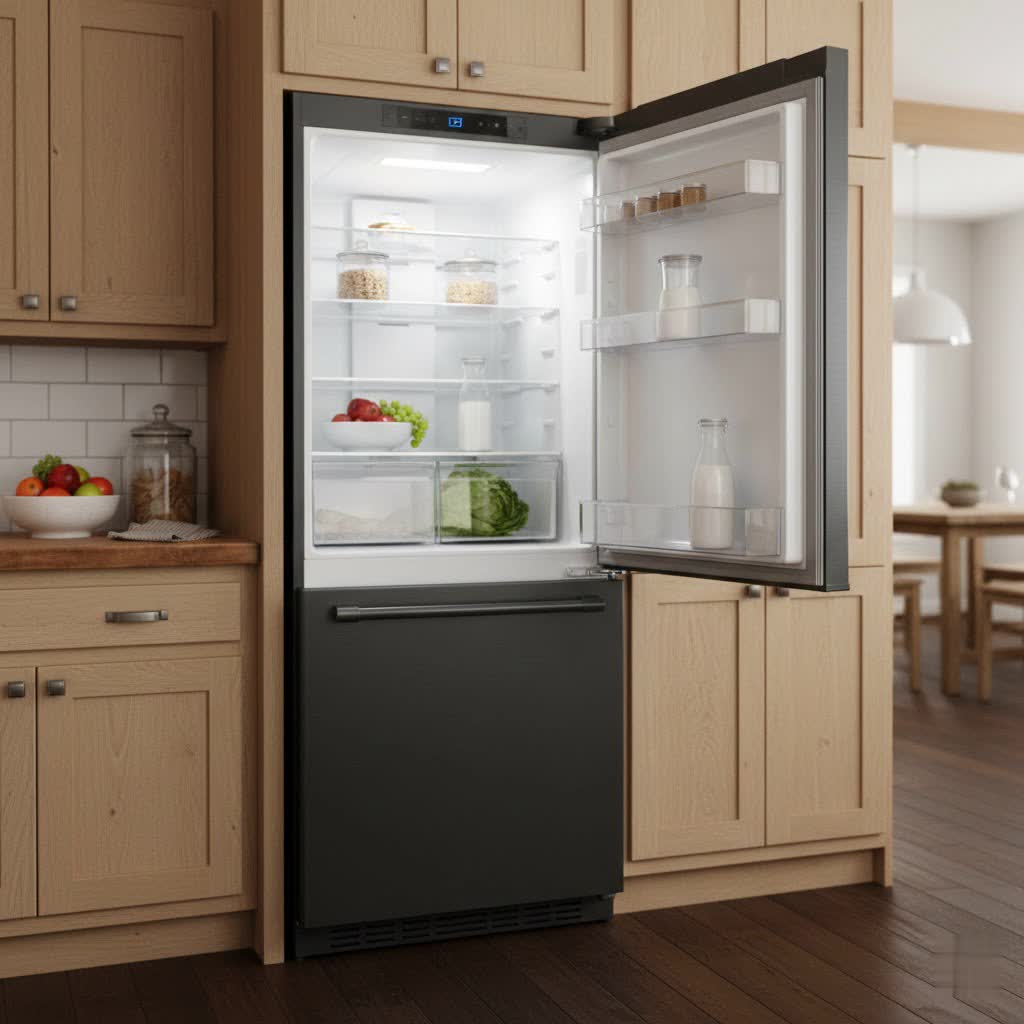
Living in a hot climate often means your garage experiences extreme temperature swings, turning a seemingly useful extra refrigerator into a potential money pit or, worse, a food safety hazard. A standard kitchen refrigerator is simply not built to withstand the relentless heat of an uninsulated garage, leading to overwork, inefficiency, and premature failure. Fortunately, specialized “garage-ready” refrigerators are engineered to thrive in these harsh environments, ensuring your extra drinks stay frosty and your overflow groceries remain safely chilled, even when the mercury soars. This comprehensive guide will help you understand what sets these robust appliances apart, highlight top models, and provide essential tips for making the smartest choice for your home.
What Makes a Refrigerator “Garage Ready”?
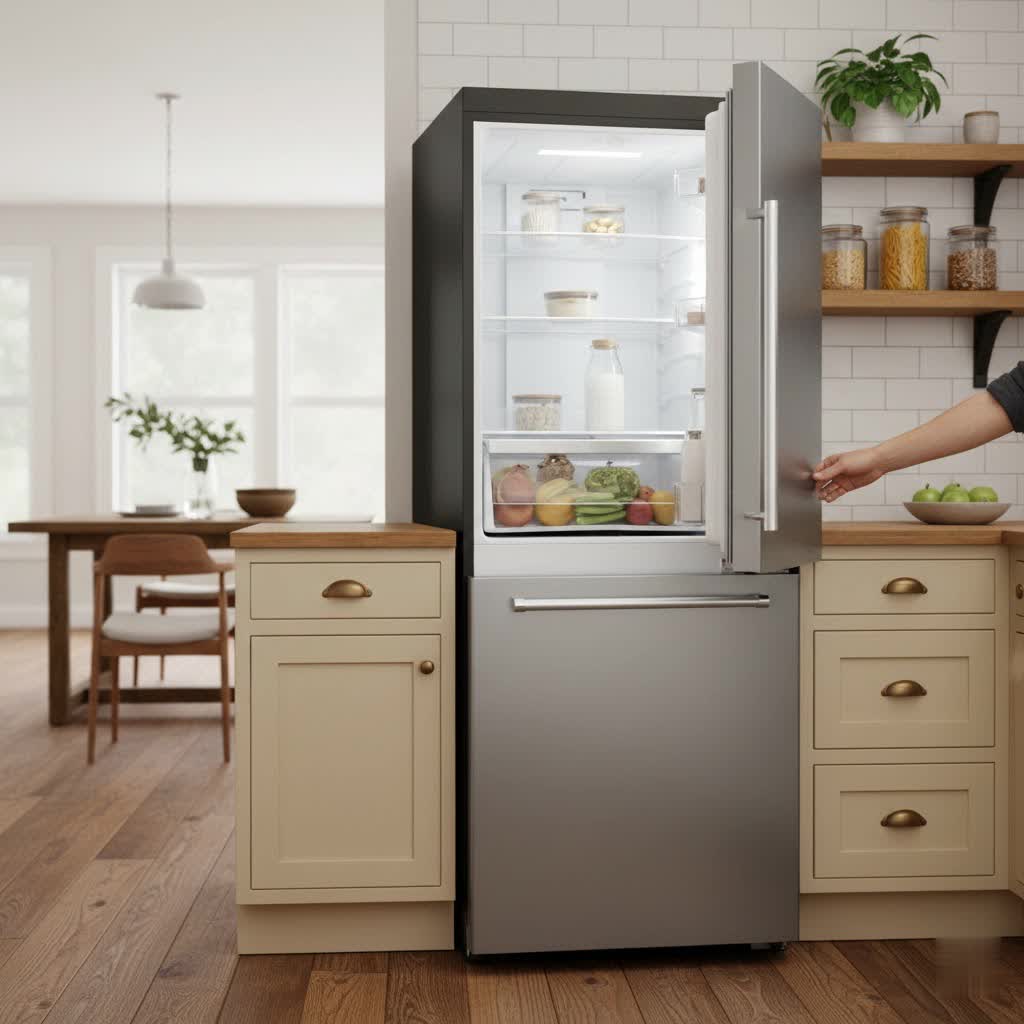
A “garage-ready” refrigerator is specifically designed and tested to operate efficiently and reliably in non-climate-controlled environments where temperatures can fluctuate dramatically. Unlike a standard household refrigerator, which is optimized for stable indoor temperatures, these specialized units are built to withstand a wider ambient temperature range, typically from 38°F (3°C) up to 110°F (43°C).
The primary reason standard refrigerators fail in hot garages is the strain placed on their cooling systems. When external temperatures are too high, the compressor has to work much harder and longer to dissipate heat and maintain the desired internal temperature. This excessive workload can cause the compressor oil to overheat and break down, leading to severe damage to the sealed system and ultimately, appliance failure. Additionally, the refrigerant pressure can exceed safe limits in extreme heat, further compromising performance and longevity. Garage-ready models, however, incorporate several key engineering enhancements to mitigate these issues, ensuring your food stays safe and your energy bills don’t skyrocket.
Key Features to Prioritize for Hot Climates
When selecting a garage-ready refrigerator, certain features become paramount for performance and durability in high-temperature environments:
- Expanded Temperature Tolerance: This is the most critical feature. Look for models explicitly certified to operate in ambient temperatures up to at least 110°F (43°C). Some heavy-duty options can handle an even wider range, making them suitable for year-round use in both scorching summers and chilly winters.
- Enhanced Insulation: Thicker, more robust insulation is vital to prevent heat transfer from the hot garage into the refrigerator’s interior. Superior insulation reduces the workload on the compressor, improves efficiency, and helps maintain stable internal temperatures.
- Heavy-Duty Compressor and Cooling System: Garage-ready refrigerators are equipped with more robust compressors and cooling systems designed to handle the increased demands of extreme temperatures without overworking or overheating.
- Energy Efficiency: Operating a refrigerator in a hot garage inherently requires more energy. Choosing an ENERGY STAR® certified model can significantly offset higher operating costs by ensuring the appliance is designed to be as efficient as possible, even under stress. Look for better insulation and energy-saving components like LED lighting.
- Precise Temperature Controls: Some models feature specialized controls calibrated for wider ambient temperature ranges or even separate temperature management for the freezer compartment, allowing for better precision in varying conditions. Features like rapid temperature drop functions (e.g., SuperCool) can also be beneficial when the door is frequently opened.
Top Picks: Garage Ready Refrigerators Excelling in Heat
Several brands offer excellent garage-ready refrigerators built to perform in hot climates. Here are some of the top contenders:
GE Garage-Ready Refrigerators
|
Our Picks for the Best Refrigerator in 2026
As an Amazon Associate I earn from qualifying purchases.
|
||
| Num | Product | Action |
|---|---|---|
| 1 | Whirlpool WRS321SDHZ 21 Cu. Ft. Stainless Side-by-Side Refrigerator |

|
| 2 | Samsung 17.5 cu. ft. Smart Counter Depth 3-Door French Door Refrigerator, Stainless Steel, RF18A5101SR/AA |
|
| 3 | GE Profile 28.7 cu. ft. 4-Door French Door Refrigerator in Stainless Steel with Dual-Dispense Autofill Pitcher PGE29BYTFS |
|
| 4 | ARCTIC CHEF Mini Refrigerator, Compact Freezer Compartment, Adjustable Thermostat Control, Reversible Door, Ideal Fridge for Dorm, Office, Apartment, Platinum Stainless, 3.2 Cubic Feet |
|
| 5 | Frigidaire, 2 Door Apartment Size Refrigerator/Freezer Combo, 7.5 cu ft, Platinum Series, Stainless, 23" D x 21.5" W x 55.5" H |
|
| 6 | Frigidaire, 2 Door Apartment Size Refrigerator with Freezer, 7.5 cu ft, Adjustable Spill-Proof Shelves, Crisper Bins, Platinum Silver, Garage Ready |
|
| 7 | GE GTS18HGNRWW 28 Inch Top Freezer Refrigerator with 17.5 Cu. Ft. Capacity, Reversible Hinges, Gallon Door Shelves, Adjustable Glass Shelves, Frost Free |
|
| 8 | NEWBULIG Mini Fridge with Freezer 3.2 Cu.Ft Small Refrigerator for Office, Dorm, Small Fridge with Adjustable Thermostat, Energy Saving, Singel Door, Black |
|
| 9 | Electactic Mini Fridge 130 Can Beverage Refrigerator Cooler, 3.2 Cu.Ft Drink Fridge for Soda Wine Beer, Adjustable Temperature Control for Home Office, Black |
|
| 10 | Frigidaire EFR786 Retro Apartment Size Refrigerator with Top Freezer - 2 Door Fridge with 7.5 Cu Ft of Storage Capacity, Adjustable Spill-Proof Shelves, Door & Crisper Bins, Black |
|
GE is a leading brand known for its reliable garage-ready options. Models like the GE GTS22KGNRBB (and its variants) are frequently lauded for their consistent temperature performance and spacious freezers. These units are certified to operate reliably from 38°F up to 110°F, making them an excellent choice for hot garages. They often feature various finishes and are ENERGY STAR certified, ensuring good temperature consistency and efficient power usage even in challenging environments.
Samsung Top-Freezer Refrigerators
Samsung offers garage-ready top-freezer refrigerators, such as the Samsung RT16A6195SR, which combines functionality with sleek design. Certified to operate effectively in ambient temperatures ranging from 38°F to 110°F, these models are also ENERGY STAR certified. Some advanced Samsung units, like their 21 Cu. Ft. Top Freezer Refrigerator with FlexZone, offer innovative features such as Twin Cooling Plus technology to maintain optimal humidity and a convertible FlexZone to switch between freezer and fridge space as needed.
LG Top-Freezer Refrigerators
LG’s garage-ready refrigerators, including models like the LG LHTNS2403S, provide generous capacity and excellent energy efficiency. They are engineered for stable performance across a wide temperature spectrum and often come with fingerprint-resistant finishes. LG’s Smart Cooling system and Door Cooling+ technology work to deliver consistent airflow throughout the compartments, helping to keep food fresher for longer, even in less-controlled garage settings.
Frigidaire Top-Freezer Refrigerators
Frigidaire offers robust garage-ready options, such as the Frigidaire 18.3 Cu. Ft. Top-Freezer Refrigerator. These units are constructed to operate efficiently in higher ambient temperatures, typically up to 110°F, safeguarding perishables during scorching summer months. Many Frigidaire models boast spacious interiors with adjustable shelving and humidity-controlled crisper drawers, making them versatile for various storage needs.
Gladiator All-Refrigerator
For those seeking extreme durability and a wide temperature tolerance, the Gladiator GARF30FDGB stands out. While often highlighted for its ability to function in temperatures as low as 0°F, its heavy-duty construction and impressive temperature management system also make it exceptionally well-suited for hot climates. This rolling, step-open refrigerator is built like a warrior, maintaining optimal conditions through significant temperature fluctuations.
Choosing Your Ideal Garage Refrigerator: A Buying Guide
Selecting the perfect garage refrigerator involves more than just picking a brand. Consider these factors to ensure you get the right fit:
- Assess Your Needs: Determine what you’ll primarily store. Is it bulk groceries, extra beverages for entertaining, or a dedicated freezer space? This will help you decide on capacity, configuration (top-freezer, freezerless, convertible), and specific features.
- Budget Considerations: Garage-ready refrigerators may be slightly more expensive than standard models due to their specialized engineering. Balance your budget with the long-term savings from energy efficiency and extended appliance life.
- Space and Dimensions: Measure your available garage space carefully, including height, width, and depth, to ensure proper clearance for ventilation and door swing.
- Energy Consumption: Always look for the ENERGY STAR label. An energy-efficient model will consume less power, saving you money on electricity bills, especially when operating in demanding hot conditions. Review the estimated annual operating costs on the Energy Guide label.
- Power Requirements: Confirm your garage has a proper electrical hookup—a dedicated 115-volt, 60Hz, AC-only outlet is typically required. Avoid using extension cords, as they can be a fire hazard and hinder performance. If unsure, consult a professional electrician.
- Brand Reputation and Reviews: Research models and read reviews from users in similar hot climates to gauge real-world performance and reliability.
Maximizing Performance and Longevity in Your Hot Garage
Once you’ve chosen your garage-ready refrigerator, a few simple practices can help maximize its performance and extend its lifespan:
- Strategic Placement: Position the refrigerator away from direct sunlight, such as windows or garage doors, which can significantly increase external heat exposure. Ensure there is adequate airflow around the back and sides of the unit for proper heat dissipation.
- Keep it Stocked: A full refrigerator runs more efficiently than an empty one. The mass of cold items helps absorb and retain cold air, reducing temperature fluctuations when the door is opened. If you don’t have enough food, fill empty spaces with gallon jugs of water to help stabilize internal temperatures.
- Regular Cleaning and Maintenance: Periodically clean the condenser coils, typically located at the back or underneath the unit, to ensure optimal heat exchange. Also, inspect and clean door seals to prevent cold air leaks.
- Monitor Internal Temperatures: While garage-ready models are designed for stability, it’s wise to occasionally monitor the internal temperatures with a refrigerator thermometer to ensure your food is being stored safely (ideally 37°F in the fridge and 0°F in the freezer).
- Proper Electrical Supply: Reiterate the importance of a dedicated, correctly wired outlet to prevent electrical issues that could impact performance or safety.
Conclusion
Investing in a garage-ready refrigerator is a smart decision for anyone living in a hot climate and needing extra cold storage. These specialized appliances are built with the resilience to combat extreme temperatures, providing reliable cooling, preventing food spoilage, and saving you from costly repairs or excessive energy bills down the line. By understanding the key features, exploring top models, and following best practices for installation and maintenance, you can ensure your garage refrigerator delivers optimal performance and peace of mind for years to come.
Are you ready to transform your hot garage into a dependable cold storage solution?
Frequently Asked Questions
Can a regular refrigerator be used in a hot garage?
It is not recommended to use a standard refrigerator in a hot garage. Regular refrigerators are not designed for extreme temperature fluctuations and will struggle to maintain proper internal temperatures, leading to decreased efficiency, higher energy consumption, and a shortened lifespan due to compressor overwork.
What temperature range should a garage refrigerator handle?
A true garage-ready refrigerator is typically certified to operate effectively in ambient temperatures ranging from 38°F (3°C) up to 110°F (43°C). Some heavy-duty models can even handle temperatures as low as 0°F (-18°C) for all-season performance.
How can I improve my garage refrigerator’s efficiency in hot weather?
To improve efficiency, place the refrigerator away from direct sunlight, ensure good airflow around its coils, and keep it adequately stocked. A fuller refrigerator maintains its internal temperature more effectively, reducing the workload on the compressor. Regular cleaning of coils and door seals also helps.
Are garage-ready refrigerators more expensive than standard models?
Generally, garage-ready refrigerators may have a slightly higher upfront cost compared to standard kitchen models. This is due to the enhanced insulation, more robust compressors, and specialized engineering required to withstand extreme temperature fluctuations. However, the investment often pays off through greater durability and energy savings over time.
How long do garage refrigerators typically last?
With proper care and by choosing a truly garage-ready model, these appliances can last as long as or even longer than standard kitchen refrigerators, often between 10 to 15 years. Their specialized construction helps them endure the challenging garage environment, provided they are not continuously pushed beyond their certified temperature limits.