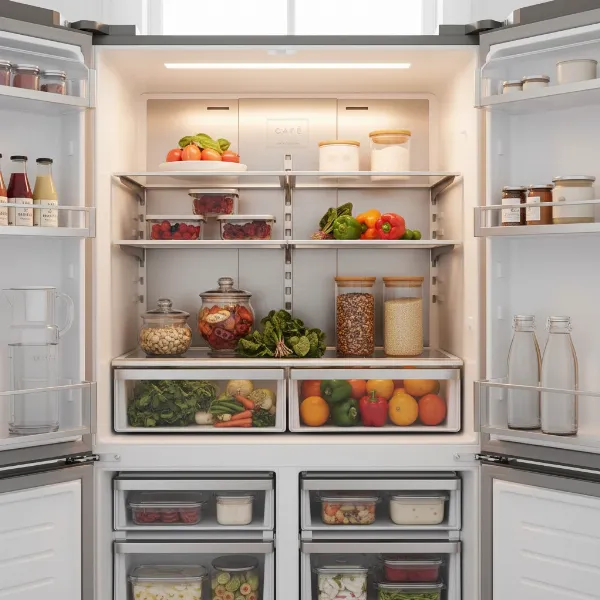
Ever wondered why your fresh vegetables sometimes wilt too quickly, or your fruits ripen before their time, even when stored in the refrigerator? The secret often lies not in your fridge’s temperature, but in understanding and correctly utilizing its humidity drawers. These often-overlooked compartments are specifically designed to extend the life of your produce by controlling moisture levels, transforming your refrigerator from a simple cooling unit into a sophisticated food preservation system. Let’s delve into how these drawers work and how you can optimize them to keep your greens crisp and your fruits perfectly ripe, reducing food waste and saving money.
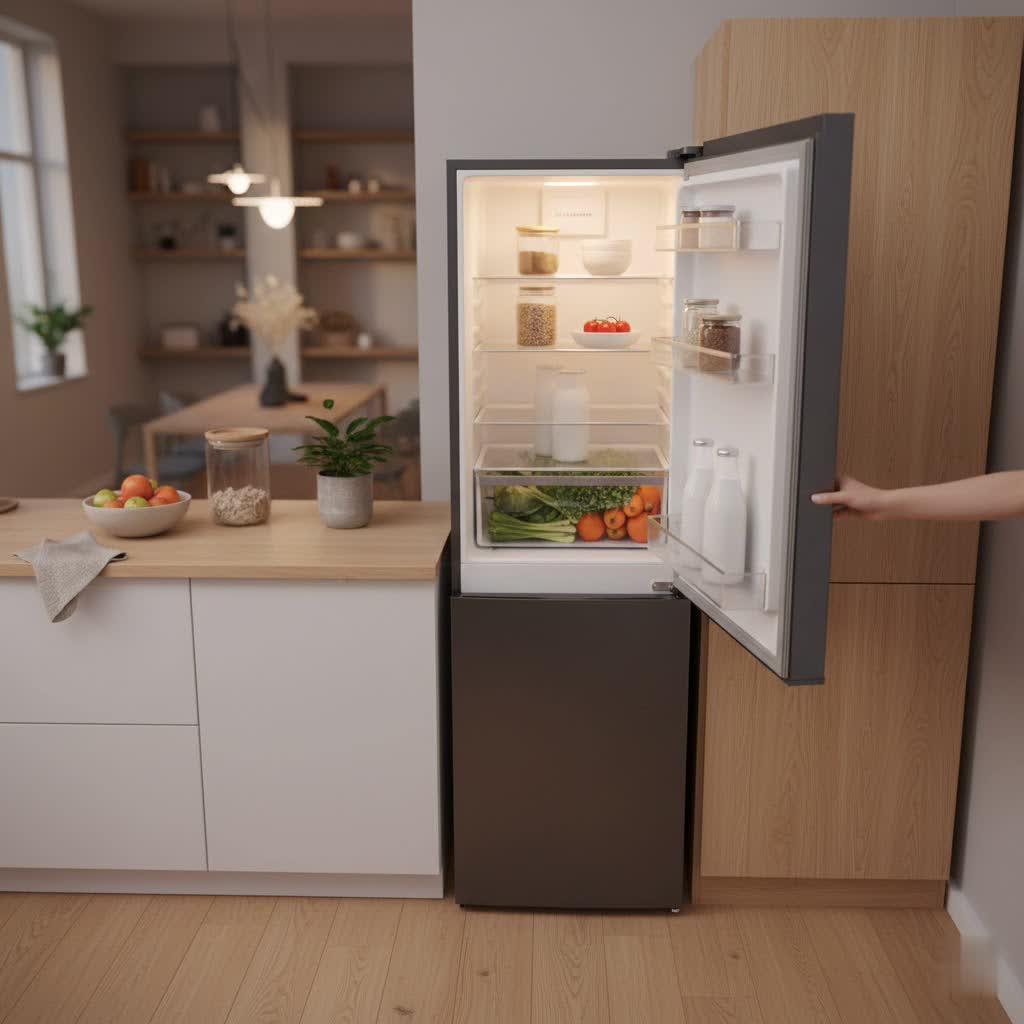
Understanding Refrigerator Humidity Drawers
Your refrigerator’s humidity drawers, also known as crisper drawers, are specialized compartments engineered to manage the airflow and moisture surrounding your produce. Unlike the general shelves where air circulates freely, these drawers feature adjustable vents that allow you to create either a high-humidity or low-humidity environment. This control is crucial because different types of fruits and vegetables thrive under distinct moisture conditions, and misplacing them can lead to premature spoilage.
When you set a drawer to “high humidity,” the vent largely closes, trapping the natural moisture released by the produce within the compartment. This humid environment is ideal for items that are prone to wilting, such as leafy greens, which rapidly lose water. Conversely, a “low humidity” setting means the vent is open, allowing air and moisture to escape. This is essential for produce that emits ethylene gas, a natural ripening hormone, as it prevents these gases from accumulating and prematurely spoiling other sensitive items.
Which Vegetables Go Where: High vs. Low Humidity
Successfully using your humidity drawers comes down to knowing which vegetables prefer a moist environment and which benefit from more airflow. It’s a simple science that can significantly extend the freshness of your groceries.
High Humidity Drawer: Keeping Produce Crisp
The high-humidity drawer, characterized by its closed vent, is the sanctuary for vegetables that love moisture. These are typically thin-skinned, leafy, or stalky varieties that quickly lose water and become limp if exposed to dry air. By trapping the humidity, this drawer helps prevent wilting and keeps your produce vibrant and crunchy.
Ideal for:
- Leafy Greens: Lettuce (romaine, butter, iceberg), spinach, kale, Swiss chard, collard greens.
- Cruciferous Vegetables: Broccoli, cauliflower, Brussels sprouts.
- Root Vegetables (without tops): Carrots, radishes, beets (once their leafy tops are removed).
- Other Moisture-Loving Vegetables: Asparagus, cucumbers, green beans, peas, fresh herbs (cilantro, parsley, basil, mint), bell peppers, summer squash, zucchini.
|
Our Picks for the Best Refrigerator in 2026
As an Amazon Associate I earn from qualifying purchases.
|
||
| Num | Product | Action |
|---|---|---|
| 1 | ARCTIC CHEF Mini Refrigerator, Compact Freezer Compartment, Adjustable Thermostat Control, Reversible Door, Ideal Fridge for Dorm, Office, Apartment, Platinum Stainless, 3.2 Cubic Feet |

|
| 2 | GE Profile 28.7 cu. ft. 4-Door French Door Refrigerator in Stainless Steel with Dual-Dispense Autofill Pitcher PGE29BYTFS |
|
| 3 | GE GTS18HGNRWW 28 Inch Top Freezer Refrigerator with 17.5 Cu. Ft. Capacity, Reversible Hinges, Gallon Door Shelves, Adjustable Glass Shelves, Frost Free |
|
| 4 | Samsung 17.5 cu. ft. Smart Counter Depth 3-Door French Door Refrigerator, Stainless Steel, RF18A5101SR/AA |
|
| 5 | Frigidaire, 2 Door Apartment Size Refrigerator with Freezer, 7.5 cu ft, Adjustable Spill-Proof Shelves, Crisper Bins, Platinum Silver, Garage Ready |
|
| 6 | Frigidaire, 2 Door Apartment Size Refrigerator/Freezer Combo, 7.5 cu ft, Platinum Series, Stainless, 23" D x 21.5" W x 55.5" H |
|
| 7 | Frigidaire EFR786 Retro Apartment Size Refrigerator with Top Freezer - 2 Door Fridge with 7.5 Cu Ft of Storage Capacity, Adjustable Spill-Proof Shelves, Door & Crisper Bins, Black |
|
| 8 | NEWBULIG Mini Fridge with Freezer 3.2 Cu.Ft Small Refrigerator for Office, Dorm, Small Fridge with Adjustable Thermostat, Energy Saving, Singel Door, Black |
|
| 9 | Whirlpool WRS321SDHZ 21 Cu. Ft. Stainless Side-by-Side Refrigerator |
|
| 10 | Electactic Mini Fridge 130 Can Beverage Refrigerator Cooler, 3.2 Cu.Ft Drink Fridge for Soda Wine Beer, Adjustable Temperature Control for Home Office, Black |
|
To maximize freshness in this drawer, consider wrapping leafy greens in a damp paper towel or a breathable bag before storing. This provides an extra layer of moisture and protection.
Low Humidity Drawer: Protecting Ethylene-Sensitive Produce
The low-humidity drawer, with its open vent, is designed for produce that releases ethylene gas, which can accelerate ripening and spoilage in other items. By allowing this gas to escape, the low-humidity setting helps prevent premature deterioration, particularly for fruits and some ethylene-producing vegetables.
Ideal for:
- Ethylene-Producing Fruits: Apples, pears, peaches, plums, apricots, cantaloupe, honeydew, mangoes, avocados (if already ripe), kiwi.
- Some Ethylene-Producing Vegetables: Tomatoes (once ripe; green tomatoes can ripen on the counter).
- Produce that doesn’t wilt easily: While primarily for fruits, some items that don’t need high moisture also do well here if you only have one drawer.
It’s crucial to separate ethylene-producing items from ethylene-sensitive ones. For example, storing apples (ethylene producers) in the low-humidity drawer prevents them from prematurely ripening your lettuce (ethylene-sensitive) stored in the high-humidity drawer.
Optimal Storage for Common Vegetables
Let’s look at specific tips for some everyday vegetables to ensure they reach their full fresh potential:
- Leafy Greens (Lettuce, Spinach, Kale): These are prime candidates for the high-humidity drawer. For best results, wash, thoroughly dry (a salad spinner is your friend!), and then wrap them in a paper towel or a clean kitchen towel before placing them in a breathable bag or directly into the high-humidity drawer. This simple step can keep them fresh for over a week.
- Carrots: Remove any green tops (which draw moisture from the roots), wash them, dry completely, and store them in the high-humidity drawer. Some experts recommend storing carrots submerged in water in an airtight container for weeks of freshness.
- Cucumbers: These do well in the high-humidity drawer. Keep them dry; excess moisture on their skin can lead to sliminess. If they start to get soft, a quick ice bath can sometimes revive them.
- Broccoli and Cauliflower: Store unwashed in the high-humidity drawer, ideally in a loosely tied plastic bag to maintain moisture without suffocating them.
- Bell Peppers: Store unwashed in the high-humidity drawer. They can last up to two weeks when properly stored.
- Fresh Herbs (Cilantro, Parsley, Basil): Treat them like a bouquet of flowers! Trim the stems, place them in a glass with about an inch of water, and cover loosely with a plastic bag before placing in the high-humidity drawer. Basil, however, often prefers to be kept out on the counter away from cold.
General Refrigerator Produce Storage Tips
Beyond the humidity drawers, a few universal practices can further enhance your produce’s longevity and maintain the efficiency of your refrigerator:
- Avoid Overcrowding: Overfilling any drawer or shelf restricts airflow, hindering your refrigerator’s ability to maintain consistent temperatures and humidity levels. Leave enough space for air to circulate. “Crisper drawers work best when they are filled to about 67% of their capacity,” notes one appliance expert, emphasizing the need for balance.
- Wash Just Before Use: Resist the urge to pre-wash all your produce immediately after grocery shopping. Excess moisture can encourage bacterial growth and spoilage. Wash fruits and vegetables only right before you intend to consume them.
- Separate Ethylene Producers: Always remember the “rot, low; wilt, high” rule. Keep ethylene-emitting produce (like apples, pears, and ripe avocados) away from ethylene-sensitive items (like leafy greens, broccoli, and cucumbers) to prevent premature spoilage. If you only have one crisper drawer, use dividers or separate bags to minimize exposure.
- Know What Doesn’t Belong in the Fridge: Not all produce benefits from refrigeration. Tomatoes, potatoes, onions, garlic, bananas, and whole melons are typically best stored at room temperature or in a cool, dark pantry. Refrigerating these can negatively impact their flavor, texture, or accelerate spoilage.
- Maintain Cleanliness: Regularly clean your refrigerator, including the humidity drawers. Spills and decaying produce can harbor bacteria and affect the freshness of other items. A clean fridge is a happy fridge, and happy produce.
“Many people overlook the power of their crisper drawers, but understanding the simple mechanics of humidity control can transform how long your produce stays fresh, leading to less waste and more delicious meals,” advises Chef Mark, a culinary expert focused on practical home cooking.
Conclusion
Mastering the use of your refrigerator’s humidity drawers is a small change that yields significant results. By correctly adjusting the settings for high and low humidity, you create tailored environments that cater to the specific needs of your vegetables and fruits, ensuring they remain crisp, flavorful, and nutrient-rich for longer. This intelligent approach to food storage not only enhances your culinary experience but also plays a vital role in reducing household food waste and optimizing your grocery budget. So, the next time you unpack your groceries, take a moment to consider where each item truly belongs. Your produce, and your wallet, will thank you.
How will you redefine your refrigerator’s produce storage strategy to unlock maximum freshness?
Frequently Asked Questions
What if my refrigerator only has one crisper drawer?
If you only have one crisper drawer, you can still optimize its use. Consider setting it to a moderate humidity level (if adjustable) or use it primarily for your high-humidity vegetables, as they are often more prone to wilting. For ethylene-producing fruits, consider storing them in a designated spot on a regular shelf, or use perforated bags within the single drawer to allow some airflow and gas escape, creating a “micro-low humidity” zone.
Should I store fruits and vegetables together in the same drawer?
Generally, it’s best to separate fruits and vegetables into different humidity drawers, especially separating ethylene-producing fruits from ethylene-sensitive vegetables. Storing them together can cause ethylene-sensitive items to ripen and spoil prematurely. If you only have one drawer, prioritize separation with bags or containers.
How do I know if my produce needs high or low humidity?
A good rule of thumb is: if it wilts, it needs high humidity (e.g., leafy greens, herbs, broccoli). If it rots or ripens quickly and produces gas, it needs low humidity (e.g., apples, pears, avocados, ripe tomatoes). Think about whether the item primarily needs to retain moisture or to release gases.