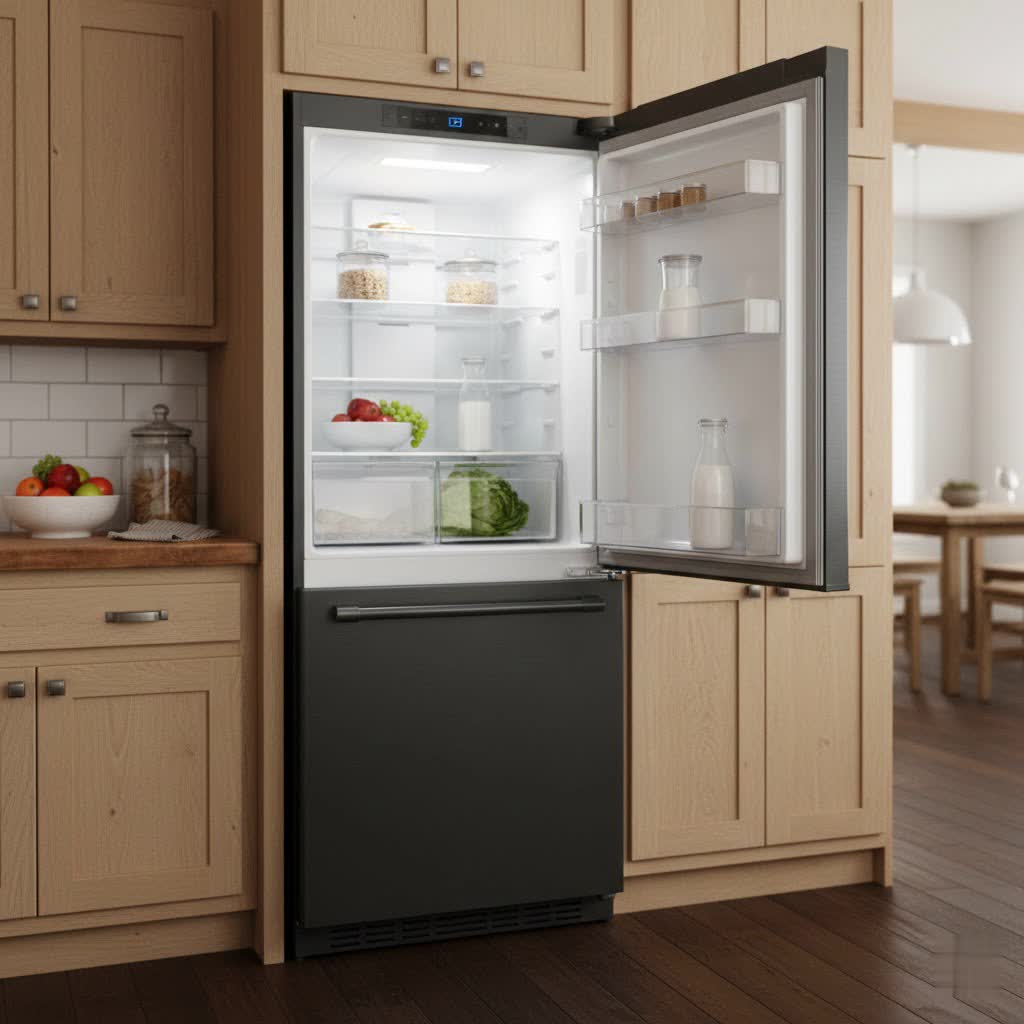
In the ever-evolving world of kitchen appliances, refrigerators have transcended their basic function of keeping food cold to become sophisticated hubs of innovation. Among the myriad of advancements, the “Door-in-Door” feature has emerged as a prominent convenience, promising both easier access and enhanced energy efficiency. But for discerning homeowners, the burning question remains: is this premium feature genuinely worth the extra cost, or is it merely an enticing gimmick? Let’s delve into the mechanics, benefits, and considerations to help you decide if a Door-in-Door refrigerator is the right addition to your modern kitchen.
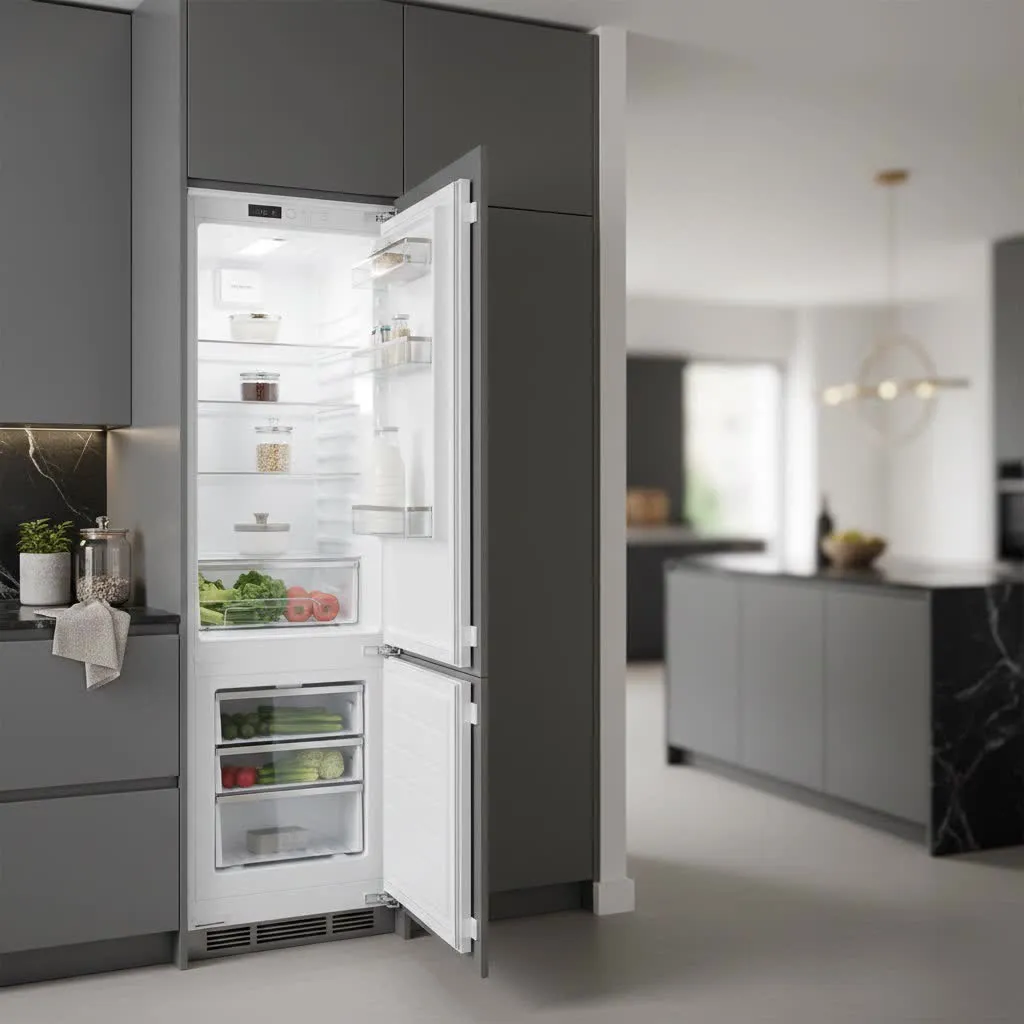
Choosing the Perfect Refrigerator: A Comprehensive Guide for 2024
Popular Refrigerator Types and the Door-in-Door Integration
The Door-in-Door feature is primarily found within larger refrigerator configurations, enhancing their functionality and user experience. It typically involves a smaller, secondary door on the main refrigerator door, providing quick access to frequently used items without exposing the entire refrigerator cavity. This innovative design offers a blend of convenience and intelligent energy management, regardless of the core refrigerator style.
- Top-Freezer Refrigerators: While less common, some advanced top-freezer models might incorporate a mini-door for drinks or snacks in the fresh food compartment. This configuration prioritizes basic utility with an added touch of modern convenience, aiming for improved energy use in a more traditional layout.
- Bottom-Freezer Refrigerators: Similar to top-freezer units, the Door-in-Door feature is rarer in this category, but it can be found on specific models that combine traditional design with smart access. It focuses on keeping fresh food accessible at eye-level while offering dedicated quick-grab sections.
- Side-by-Side Refrigerators: This popular style often pairs well with the Door-in-Door concept. One side, usually the fresh food compartment, features the accessible outer door, making it ideal for families who frequently reach for beverages, condiments, or common snack items. The vertical alignment allows for streamlined organization within the quick-access zone.
- French Door Refrigerators: French door refrigerators are perhaps the most natural fit for the Door-in-Door feature. With their wide fresh food compartment, a secondary door on one of the main French doors offers ample space for a dedicated “grab-and-go” section. This combination maximizes both internal storage flexibility and exterior convenience, often appealing to those who enjoy entertaining.
- Multi-Door Refrigerators: These premium refrigerators, often featuring four or more doors, can integrate the Door-in-Door concept further, sometimes offering multiple quick-access zones or convertible compartments. They provide unparalleled organization and flexibility, with the Door-in-Door enhancing specific sections for specialized storage.
|
Our Picks for the Best Refrigerator in 2026
As an Amazon Associate I earn from qualifying purchases.
|
||
| Num | Product | Action |
|---|---|---|
| 1 | Frigidaire, 2 Door Apartment Size Refrigerator/Freezer Combo, 7.5 cu ft, Platinum Series, Stainless, 23" D x 21.5" W x 55.5" H |

|
| 2 | GE GTS18HGNRWW 28 Inch Top Freezer Refrigerator with 17.5 Cu. Ft. Capacity, Reversible Hinges, Gallon Door Shelves, Adjustable Glass Shelves, Frost Free |
|
| 3 | ARCTIC CHEF Mini Refrigerator, Compact Freezer Compartment, Adjustable Thermostat Control, Reversible Door, Ideal Fridge for Dorm, Office, Apartment, Platinum Stainless, 3.2 Cubic Feet |
|
| 4 | Frigidaire, 2 Door Apartment Size Refrigerator with Freezer, 7.5 cu ft, Adjustable Spill-Proof Shelves, Crisper Bins, Platinum Silver, Garage Ready |
|
| 5 | Frigidaire EFR786 Retro Apartment Size Refrigerator with Top Freezer - 2 Door Fridge with 7.5 Cu Ft of Storage Capacity, Adjustable Spill-Proof Shelves, Door & Crisper Bins, Black |
|
| 6 | GE Profile 28.7 cu. ft. 4-Door French Door Refrigerator in Stainless Steel with Dual-Dispense Autofill Pitcher PGE29BYTFS |
|
| 7 | Samsung 17.5 cu. ft. Smart Counter Depth 3-Door French Door Refrigerator, Stainless Steel, RF18A5101SR/AA |
|
| 8 | Whirlpool WRS321SDHZ 21 Cu. Ft. Stainless Side-by-Side Refrigerator |
|
| 9 | Electactic Mini Fridge 130 Can Beverage Refrigerator Cooler, 3.2 Cu.Ft Drink Fridge for Soda Wine Beer, Adjustable Temperature Control for Home Office, Black |
|
| 10 | NEWBULIG Mini Fridge with Freezer 3.2 Cu.Ft Small Refrigerator for Office, Dorm, Small Fridge with Adjustable Thermostat, Energy Saving, Singel Door, Black |
|
The Science Behind the Door-in-Door: Energy Efficiency
One of the primary selling points of the Door-in-Door feature is its promise of energy savings. The principle is simple yet effective: by providing a smaller, isolated access point for frequently used items, it minimizes the need to open the main refrigerator door. This significantly reduces the amount of cold air that escapes from the main compartment, which in turn means the compressor doesn’t have to work as hard to maintain the internal temperature.
Studies and manufacturer claims suggest that each time a standard refrigerator door is opened, a notable amount of cold air escapes, forcing the appliance to expend more energy to cool back down. The Door-in-Door design combats this by creating a thermal barrier, allowing quick retrieval of everyday items like milk, juice, or snacks without disrupting the temperature of the entire fridge. This small change in daily habits can lead to a measurable reduction in your electricity bill over time, making it a “big saver of electricity” for households committed to energy conservation.
Unpacking the Convenience: Access and Organization
Beyond energy efficiency, the convenience offered by a Door-in-Door refrigerator is often its most immediate and appreciated benefit. Imagine easily grabbing a carton of milk for your morning coffee or a snack for your child without rummaging through a fully-packed main compartment. This dedicated space revolutionizes how you interact with your refrigerator daily.
- Quick Access: Items stored in the Door-in-Door compartment are literally at your fingertips. This saves time and effort, especially during busy mornings or when preparing meals.
- Enhanced Organization: These compartments are often designed with adjustable shelving or dedicated bins, making it easier to categorize and locate items. This helps reduce clutter in the main refrigerator section and ensures that everyday essentials always have a designated spot.
- Reduced Cold Air Loss: As discussed, this quick access means less cold air escapes, maintaining a more stable temperature for perishable foods stored in the main cavity.
- Family-Friendly Design: For families with children, the Door-in-Door can be a game-changer. Snacks and drinks can be stored at an accessible height, empowering kids to get their own items while minimizing the disturbance to the entire refrigerator’s contents.
Leading Brands and Their Door-in-Door Innovations
Several prominent appliance manufacturers have embraced the Door-in-Door concept, each adding their unique spin to the feature. The market leaders often showcase advanced technology and thoughtful design in their implementations.
- Samsung: Samsung’s interpretation is often seen in its “Food Showcase” design. This typically involves a dual-layered door where the outer “Showcase” door provides easy access to frequently used items, organized into specific compartments for different family members or item types. The inner “InnerCase” door keeps larger, less-accessed items chilled. This layered approach emphasizes both convenience and structured organization.
- LG: LG is renowned for its “InstaView Door-in-Door” technology. This innovative design features a sleek glass panel on the outer door that, with two simple knocks, illuminates the interior without even opening the door. This allows you to see what’s inside, reducing cold air loss even before you decide to open the quick-access compartment. LG’s approach combines visual appeal with practical energy saving.
- Other Brands: While LG and Samsung lead the pack, other manufacturers may offer similar quick-access features, though perhaps not always branded as “Door-in-Door” or with the same level of integrated technology. When considering other brands, look for designs that offer a similar secondary access point to evaluate their energy-saving and convenience benefits.
Is It Worth the Extra Cost? A Cost-Benefit Analysis
Deciding whether the Door-in-Door feature is worth the investment comes down to a careful weighing of its advantages against the higher price tag. This feature typically adds a premium to the overall cost of a refrigerator, making it crucial to assess your priorities.
Pros of the Door-in-Door Feature:
- Energy Savings: Over the lifespan of the refrigerator, the reduced cold air loss can translate into lower electricity bills, offering long-term financial benefits.
- Unmatched Convenience: For households that frequently access certain items, the quick-access door significantly enhances daily usability and streamlines routines.
- Superior Organization: Dedicated compartments within the Door-in-Door make it easier to keep frequently used items tidy and accessible.
- Modern Aesthetic: Many Door-in-Door models, especially those with InstaView technology, boast a sleek, high-tech look that can elevate the design of your kitchen.
- Reduced Wear and Tear: Less frequent opening of the main refrigerator door can potentially reduce stress on hinges and seals over time.
Cons of the Door-in-Door Feature:
- Higher Initial Cost: Refrigerators with this feature generally come with a higher upfront price compared to models without it.
- Perceived as a “Gimmick”: For some users, the added functionality might not justify the extra expense, viewing it as more of a luxury than a necessity. The Reddit community, for instance, has noted that its “worth” often depends on personal finances and desire for the feature, with some finding it “gimmicky” rather than a “life changer.”
- Potential for More Repairs: As with any added technology, more features can sometimes mean more potential points of failure down the line, leading to potentially higher maintenance costs.
- Limited Storage for Certain Items: The Door-in-Door compartment has specific dimensions, which might not be suitable for all types of frequently accessed items, such as unusually shaped containers.
“The value of a Door-in-Door feature often depends on a family’s lifestyle. For those constantly reaching for drinks and snacks, the convenience and energy savings are undeniable. For others, a simpler model might suffice.” – ReviewGK Admin, Refrigerator Specialist
Refrigerator Buying Guide: Incorporating Door-in-Door Considerations
When investing in a new refrigerator, especially one with a Door-in-Door feature, a thoughtful approach ensures you choose a model that perfectly suits your household.
- Determine Your Usage Needs: Consider how often you and your family access the refrigerator for quick items like drinks, condiments, or snacks. If it’s frequent, the Door-in-Door feature offers substantial convenience.
- Set Your Budget: Door-in-Door refrigerators typically fall into a higher price bracket. Determine how much you are willing to invest in this added functionality and potential energy savings.
- Assess Refrigerator Type and Capacity: Decide on the overall refrigerator style (French door, side-by-side, etc.) and capacity that fits your family size and shopping habits. Ensure the Door-in-Door integration complements this choice.
- Evaluate Specific Technologies: Research the different Door-in-Door implementations from brands like LG (InstaView) and Samsung (Food Showcase). Which design aligns better with your aesthetic preference and functional needs?
- Check Energy Star Rating: Look for Energy Star certified models. While Door-in-Door features inherently promote energy efficiency, an official rating confirms the appliance meets strict energy guidelines.
- Consider Brand Reputation and Service: Research brand reliability and after-sales service. While some brands are known for innovation, ensure they also have a strong track record for durability and customer support. The Quora discussions highlight potential service issues with some brands.
- Inspect In-Person (If Possible): If feasible, visit a showroom to physically interact with Door-in-Door models. Open the compartments, assess the space, and gauge how it feels to use.
Maximizing Your Door-in-Door Refrigerator’s Potential
Once you’ve made the investment, optimizing your Door-in-Door refrigerator’s use can further enhance its benefits.
- Organize Strategically: Place the most frequently accessed items—drinks, children’s snacks, condiments, often-used sauces—in the Door-in-Door compartment. This ensures maximum cold air retention in the main cavity.
- Regular Cleaning: If your model has an InstaView glass panel, wipe it regularly to maintain its clear view. Keep the interior of the Door-in-Door compartment tidy, as it’s often the first thing you see.
- Avoid Overstuffing: While convenient, overstuffing the Door-in-Door compartment can reduce air circulation and potentially lead to less efficient cooling or make items harder to retrieve.
- Monitor Temperature Settings: Ensure your refrigerator and freezer are set to optimal temperatures (typically 37°F/3°C for the refrigerator and 0°F/-18°C for the freezer) to maximize energy efficiency and food preservation.
Comparison Table: Illustrative Door-in-Door Refrigerator Features 2024
Here’s an illustrative comparison of features you might find in popular Door-in-Door refrigerator models. Prices are approximate and can vary significantly based on retailer, promotions, capacity, and additional features.
| Brand | Model (Illustrative) | Capacity (Cu. Ft.) | Notable Door-in-Door Technology | Estimated Price Range (USD) |
|---|---|---|---|---|
| Samsung | French Door w/ Food Showcase | 25-30 | Food Showcase, FlexZone | $2,000 – $3,500 |
| LG | French Door w/ InstaView | 25-30 | InstaView, Dual Ice Maker | $2,200 – $3,800 |
| GE | French Door w/ Quick Door | 22-28 | Quick access door, LED lighting | $1,800 – $3,000 |
| Whirlpool | Side-by-Side w/ EasyFront Access | 20-25 | Exterior access panel | $1,500 – $2,500 |
| Bosch | Multi-Door w/ Dedicated Snack Door | 21-26 | Smart storage zones | $2,500 – $4,000 |
Note: This table provides illustrative examples and general price ranges. Actual models, capacities, features, and prices will vary by retailer and specific product lines in 2024.
Conclusion
The Door-in-Door refrigerator feature undeniably offers a compelling blend of convenience and potential energy savings, marking it as a significant advancement in modern kitchen appliances. For busy households, the ability to quickly grab frequently used items without exposing the entire refrigerator cavity can be a game-changer, simplifying daily routines and contributing to a more organized kitchen. While the initial investment is typically higher, the long-term benefits of reduced cold air loss and a more efficient appliance can offset some of that cost over time.
Ultimately, the decision to invest in a Door-in-Door refrigerator hinges on your lifestyle, priorities, and budget. If you value cutting-edge design, enhanced organization, and the daily ease of quick access, this feature could be a worthwhile addition to your home. Are you ready to embrace the future of refrigerator convenience and efficiency?
Frequently Asked Questions
Does a Door-in-Door refrigerator truly save energy?
Yes, Door-in-Door refrigerators are designed to save energy by reducing the amount of cold air lost each time you open the door. By providing a smaller, secondary door for frequently accessed items, it minimizes the temperature fluctuations in the main compartment, meaning the compressor works less, leading to lower energy consumption.
What are the main benefits of a Door-in-Door feature?
The primary benefits include enhanced convenience for quick access to popular items, improved organization of your refrigerator’s contents, and better energy efficiency due to reduced cold air loss. This design can streamline your daily routine and potentially lower your electricity bills.
Is the Door-in-Door feature available on all refrigerator types?
While the Door-in-Door feature is most commonly found on French door and side-by-side refrigerator models, some manufacturers may integrate similar quick-access designs into other configurations. It is generally a premium feature associated with larger, more modern refrigerators.
What’s the difference between LG’s InstaView and Samsung’s Food Showcase?
LG’s InstaView Door-in-Door allows you to knock on a glass panel to illuminate the interior, letting you see contents without opening the door. Samsung’s Food Showcase typically features a dual-layered door, with an outer “Showcase” section for easy access and an inner “InnerCase” for less frequently used items.
Are Door-in-Door refrigerators more expensive to repair?
While the core refrigeration components are similar, the Door-in-Door mechanism and associated electronics (like InstaView’s light panel) are additional parts that could potentially require repair. This might lead to higher repair costs compared to a more basic model, though the frequency of such issues can vary by brand and model.
How do I maintain my Door-in-Door refrigerator?
Maintenance is similar to a standard refrigerator, with an added focus on keeping the quick-access compartment organized and the outer door’s unique features (like glass panels) clean. Regular wiping of spills and ensuring the seals are intact will help maintain efficiency and appearance.